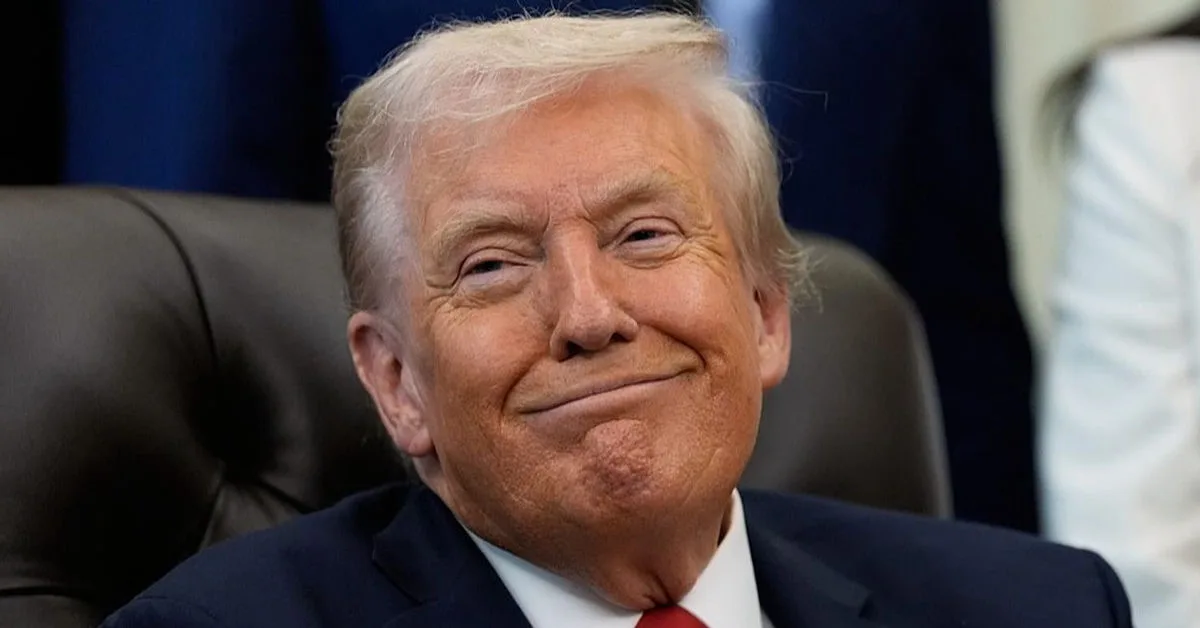
In a major turn of events at the World Economic Forum, U.S. President Donald Trump has officially withdrawn his threat to put expensive taxes, known as tariffs, on eight European countries. This decision comes after a meeting with the head of NATO, Mark Rutte, where they discussed the future of Greenland and the Arctic region.
For several weeks, the world has been watching a tense standoff. President Trump had demanded that the United States be allowed to take control of Greenland, a massive, ice-covered island that belongs to Denmark. To pressure European countries into supporting this, he threatened to add a 10% tax on all their goods starting February 1, 2026. He even said those taxes could rise to 25% by the summer. The countries targeted were Denmark, Norway, Sweden, France, Germany, the UK, the Netherlands, and Finland.
A Meeting in the Mountains
The breakthrough happened in Davos, Switzerland. After a “very productive” talk with NATO Secretary General Mark Rutte, Trump posted on social media that they had created a “framework for a future deal.” Because of this progress, he decided to cancel the upcoming tariffs.
While Trump did not give many details about what this “deal” actually is, he mentioned it involves protecting the Arctic and securing the “Golden Dome”—a new missile defense system he wants to build. He told reporters that the plan would be “great for the United States and all NATO nations.”
Mixed Reactions
The news caused stock markets around the world to jump back up. Investors were relieved because a trade war between the U.S. and Europe would have made everything more expensive and hurt the global economy. Many European leaders also said they were happy to see the situation calm down.
However, not everyone is convinced. Leaders in Greenland and Denmark are very skeptical. Aaja Chemnitz, a member of the Danish parliament from Greenland, was very clear: “Greenland is not for sale.” She and other local politicians say that NATO and the U.S. cannot make deals about Greenland’s land or minerals without including the people who actually live there. They argue that Greenland is an autonomous territory and has the right to decide its own future.
What Happens Next?
President Trump has now ruled out using military force to take the island, which was a big fear for many people. Instead, he says he wants to negotiate. He has put Vice President JD Vance and Secretary of State Marco Rubio in charge of these future talks.
Even though the threat of a trade war has faded for now, the debate over who controls the Arctic is far from over. The region is becoming more important because it has valuable minerals and is a strategic location for the military. For now, the world is breathing a sigh of relief as diplomacy takes the place of threats.