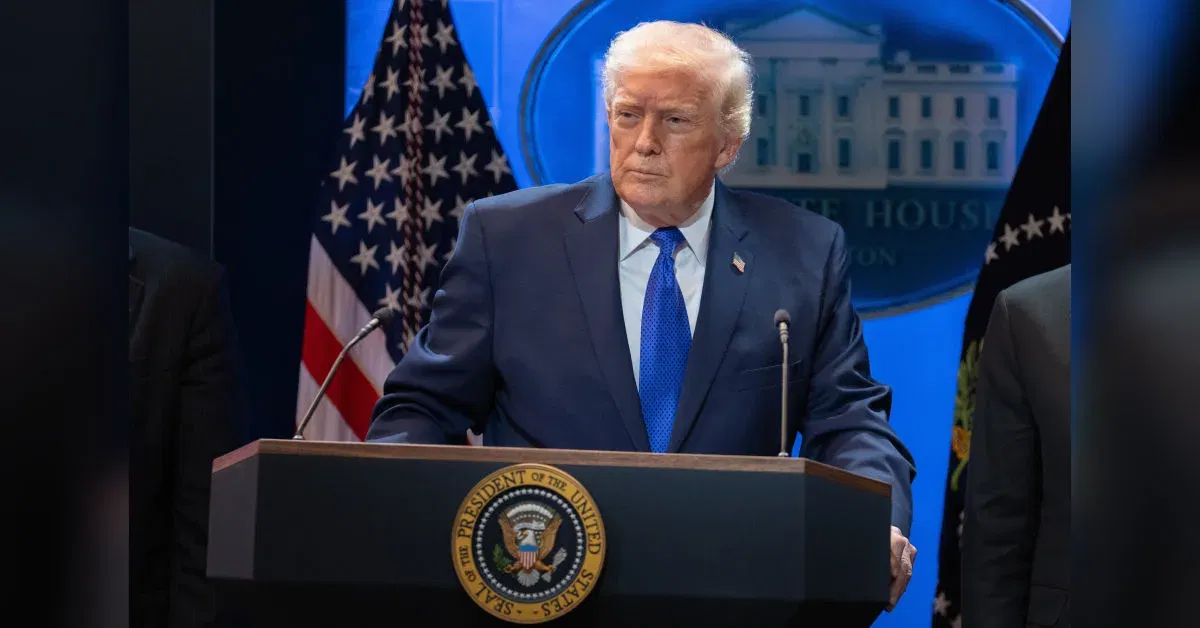
In a stunning reversal that has left the international community breathless, President Donald Trump has agreed to a 14-day suspension of all military strikes against Iran. The decision came just ninety minutes before a self-imposed 8:00 PM deadline on Tuesday, during which the President had previously warned that “a whole civilization will die tonight.”
The Last-Minute Deal
The dramatic pause follows weeks of escalating hostilities that saw the U.S. and Israel targeting Iranian infrastructure, including bridges and military hubs on Kharg Island. On Tuesday morning, the rhetoric reached a fever pitch when President Trump suggested that Iran would be “obliterated” if it did not comply with U.S. demands to reopen the Strait of Hormuz. However, following intense mediation by Pakistani Prime Minister Shehbaz Sharif, the White House announced it had received a “10-point proposal” from Tehran that served as a “workable basis” for peace.
The Terms of the Truce
The suspension of hostilities, described by Trump as a “double-sided ceasefire,” is strictly conditional. The primary requirement is the immediate and safe reopening of the Strait of Hormuz, a narrow waterway through which 20% of the world’s oil flows. Iran has reportedly agreed to allow safe passage for two weeks while direct negotiations take place in Islamabad, starting this Friday.
While the U.S. has halted its offensive bombing campaign, the ceasefire remains fragile. “The reason for doing so is that we have already met and exceeded all Military objectives,” Trump stated on social media, adding that the goal is now a “definitive agreement concerning long-term peace.”
The Regional Complications
Despite the optimism in Washington and Tehran, the situation in the wider Middle East remains complex. Israeli Prime Minister Benjamin Netanyahu welcomed the pause in strikes against Iran but was quick to clarify that the ceasefire does not extend to the Lebanese front. Israel continues to target Hezbollah positions, leading to concerns that a spillover of violence could still jeopardize the broader peace talks.
Global Reaction
The President’s earlier “apocalyptic” language drew sharp rebukes from world leaders and humanitarian organizations. Pope Leo XIV described the threat to destroy civilian infrastructure as “truly unacceptable,” while the United Nations reminded all parties that attacking power plants and bridges is a violation of international law.
As of Wednesday morning, the “Islamabad Talks” are the focus of global attention. Diplomats from 30 nations are expected to join the discussions to ensure the Strait of Hormuz remains a safe international shipping route. For now, the “gates of death” have been held back, giving the world a two-week window to prevent a total regional collapse.