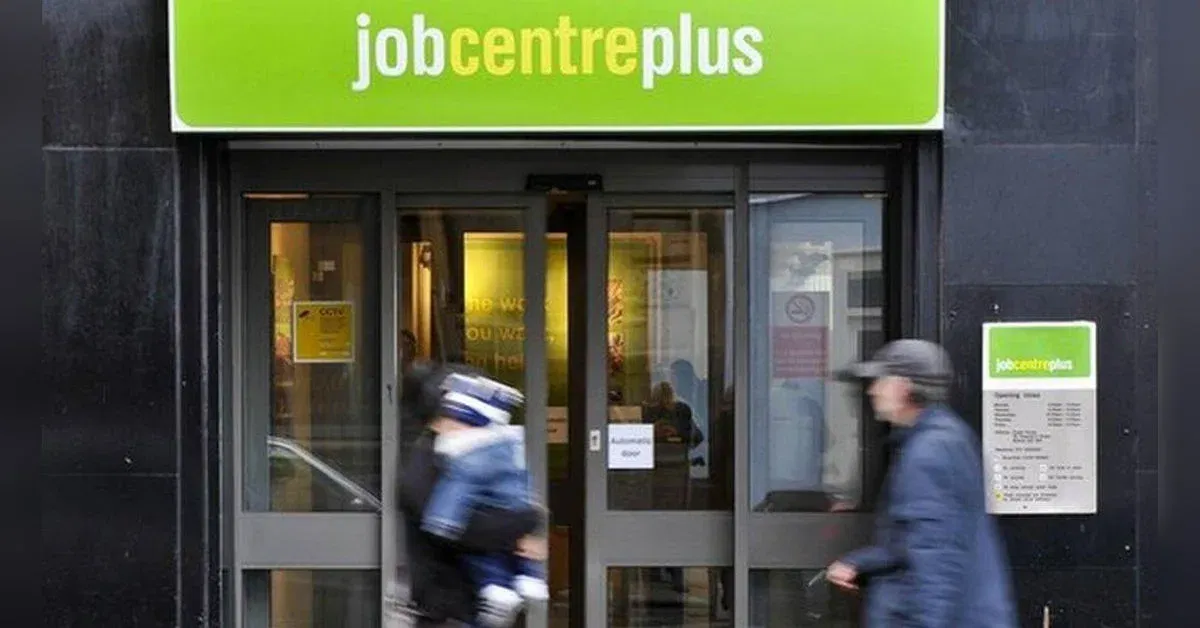
The UK’s economic recovery faced a fresh setback today as official figures revealed that unemployment has jumped to its highest level in nearly five years. According to the Office for National Statistics (ONS), the jobless rate rose to 5.2% in the three months to December, up from 5.1% in the previous period.
This spike in joblessness—the highest since the pandemic era of early 2021—comes at a time when businesses are grappling with higher operating costs. Analysts point to recent government policies, including increases in National Insurance contributions and a higher minimum wage, as factors that have made employers more cautious about hiring new staff.
A Weakening Jobs Market
While the number of people in work did increase slightly by 52,000, the overall trend points toward a “loosening” labor market. This means there are now more people looking for work than there are available jobs. For the first time since 2023, the number of unemployed people per job vacancy has reached a post-pandemic high.
Liz McKeown, director of economic statistics at the ONS, noted that while vacancies have remained stable at around 726,000, redundancies are beginning to trend upward. “More people who were out of work are now actively looking for a job,” she said, but they are entering a market where firms are “job hugging”—clinging to existing staff while refusing to open new roles.
Wages vs. Inflation
For workers, the news on pay is also sobering. Regular wage growth (excluding bonuses) fell to 4.2%, down from 4.4% in the previous quarter. In the private sector specifically, pay growth has slumped to 3.4%, the lowest rate in five years.
When compared to December’s inflation rate of 3.4%, it means that “real” wages—what people actually have left to spend after bills—are effectively flatlining. Most workers saw their purchasing power increase by a meager 0.8% over the year, leaving many households feeling the “winter blues” despite being in full-time employment.
Pressure on the Bank of England
The cooling labor market has immediate implications for homeowners and borrowers. The Bank of England has kept interest rates at 3.75% to fight inflation, but this new data suggests the economy may be cooling too fast.
Economists believe the Bank will see the drop in wage growth as a sign that the “inflation fire” is finally out. City traders are now betting heavily on an interest rate cut as early as next month. Paul Dales, chief UK economist at Capital Economics, stated that the lack of “green shoots” in the labor market supports the idea of multiple rate cuts throughout 2026.
Future Outlook
While the start of 2026 has been difficult, some business surveys suggest a slight improvement in January as companies move past the uncertainty of the late 2025 budget. However, for young people entering the workforce, the situation remains precarious. Entry-level hiring has seen the sharpest decline, leading to fears of a “lost generation” of workers whose career starts have been delayed by the current economic squeeze.