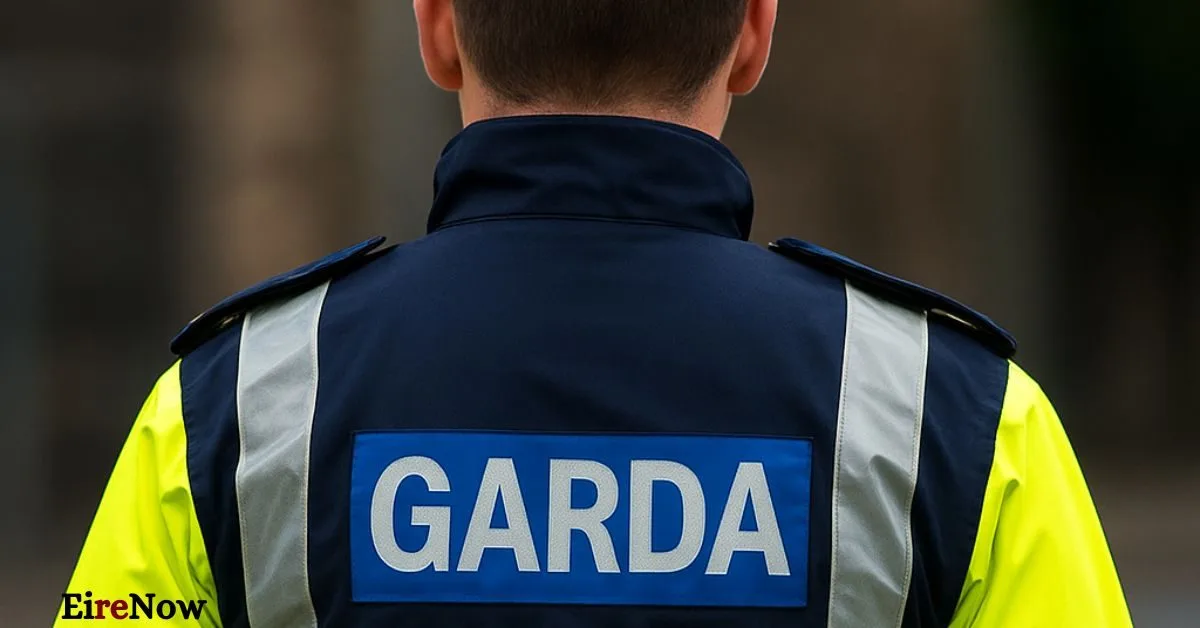
GALWAY, IRELAND — An Garda Síochána, in partnership with the Road Safety Authority (RSA), has launched a major road safety enforcement operation for the Christmas and New Year period, urging the public to take personal responsibility to prevent fatal and serious collisions.
The campaign, announced in Co. Galway, emphasizes the critical need for road users to plan journeys ahead, especially when socialising.
Assistant Commissioner Gunne stressed the “Plan Ahead” message, appealing to the public to “leave the car at home and to organize your journey home using a designated driver, a taxi or public transport.” She also issued a stern warning against driving the morning after drinking, stating: “If you’re drinking the night before, don’t drive the next morning.”
The Assistant Commissioner highlighted the heartbreak caused by road fatalities, pleading with road users “not to have An Garda Síochána calling to your door to deliver heartbreaking news to your family that you have been killed or seriously injured on our roads.”
Gardaí nationwide will be highly visible and rigorously enforcing road traffic legislation throughout the festive season. The enforcement drive is not limited to Roads Policing Units; “every member of An Garda Síochána will be carrying out checkpoints on our 30-minute road safety activity initiatives across the festive period.” The core focus remains on preventing intoxicated driving (alcohol and drugs).
Minister of State at the Department of Transport, Seán Canney, echoed the call for a “combined effort,” drawing attention to the “sadness and trauma caused by each and every fatality on our roads.” He expressed disappointment over the increase in the number of fatalities compared to the same period last year, calling for reflection from all drivers.
RSA Chief Executive Sam Waide noted that shorter days and poor weather contribute to difficult driving conditions. He highlighted the shocking statistic that over a third of drivers killed in fatal collisions are found to be under the influence of drink or drugs.
“Individuals make choices… everyone needs to take responsibility on the roads so that we are safer together,” Mr. Waide concluded, underlining that responsibility for safety lies with every road user—motorists, pedestrians, and cyclists.