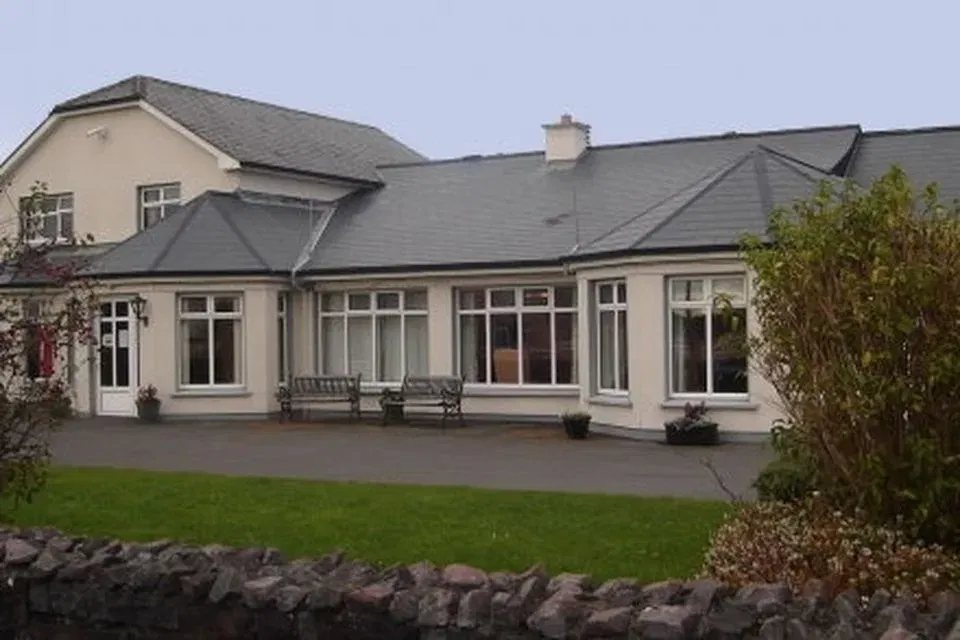
A recent inspection by Ireland’s health watchdog has raised serious concerns about resident care, privacy, and contractual compliance at Bailey’s Nursing Home in Tubbercurry, County Sligo.
The findings, published by the Health Information and Quality Authority (HIQA), highlight a series of issues at the 43-bed facility, including the reassignment of a resident’s room during a hospital stay, overcrowding, and inadequate attention to residents exhibiting distress.
Resident’s Room Reassigned During Hospital Stay
One of the most significant concerns outlined in the report relates to how the nursing home handled the temporary hospitalisation of a resident.
Inspectors found that when a resident was transferred to hospital, their belongings were packed up and placed in storage. During this time, another individual was admitted to the same bed and room for respite care.
According to HIQA, this action breached the terms agreed in residents’ contracts and undermined their rights.
Each resident had signed a contract upon admission specifying details such as their bedroom allocation and occupancy arrangements. The agreement also outlined conditions under which a resident’s stay could be terminated, including required notice periods.
HIQA concluded that reallocating the room in this manner failed to comply with these contractual obligations and negatively impacted the resident’s entitlement to their accommodation.
Overcapacity and Regulatory Breach
The inspection, carried out on October 10th, 2025, also revealed that the nursing home was operating beyond its registered capacity.
Although Bailey’s Nursing Home is approved to accommodate 43 residents, inspectors found 44 individuals living in the facility on the day of the visit. This represents a breach of its registration conditions.
In response, the provider has since committed to ensuring that the centre operates strictly within its approved capacity going forward.
Distress Signals from Resident Not Addressed
Inspectors also raised concerns about how staff responded to residents exhibiting responsive behaviours, particularly those associated with conditions such as dementia.
In one instance, a resident was observed shouting and banging loudly in their room for over two hours. Despite the prolonged distress, staff did not intervene appropriately.
When questioned, staff described the behaviour as part of the resident’s “usual daily pattern.” However, inspectors found no evidence that the behaviour had been properly assessed or analysed.
Other residents reported that such disturbances occurred regularly and were distressing to hear.
The situation was further complicated by the fact that the resident shared a twin room, raising additional concerns about the impact on their roommate’s wellbeing.
Privacy Concerns in Shared Bedrooms
The report identified multiple issues related to privacy and dignity, particularly in twin bedrooms.
Inspectors found that the layout of some rooms made it difficult for staff to provide personal care without compromising residents’ privacy or disturbing others.
In some cases, the positioning of beds and privacy curtains did not allow adequate separation between occupants. Residents reported being woken during the night and feeling that the rooms were too small.
Additionally, limited space hindered the use of essential assistive equipment. Inspectors observed staff struggling to manoeuvre a standing hoist in one room, encroaching on the space of another resident.
These conditions were deemed to negatively affect residents’ rights to dignity and personal privacy.
Use of Bed Rails Deemed Overly Restrictive
Concerns were also raised about the use of bed rails for residents receiving respite care.
Two individuals told inspectors they were unable to leave their beds independently due to the rails, despite being capable of doing so with minimal assistance in hospital settings.
HIQA concluded that the use of bed rails in these cases constituted an overly restrictive practice, limiting residents’ autonomy and freedom of movement.
Reduction in Communal Space
Inspectors noted that a designated visitors’ room had been converted into a storage area without notifying the Office of the Chief Inspector.
This change reduced the amount of communal space available and prevented residents from meeting visitors in a private setting of their choosing.
The lack of notification was also flagged as a regulatory concern.
Safeguarding and Staff Training Gaps
While the nursing home had safeguarding policies in place, inspectors found that some staff lacked a clear understanding of different types of abuse and appropriate safeguarding measures.
In one case, a resident repeatedly entered other residents’ rooms, causing fear among occupants. Despite complaints, staff and management did not recognise the situation as a safeguarding issue.
HIQA emphasised the importance of staff training to ensure that such incidents are properly identified and addressed.
Limited Activities for Residents
The inspection also highlighted a lack of meaningful activities for residents.
Many were observed spending long periods watching television, with little evidence of structured or personalised recreational programmes.
Residents who remained in their bedrooms appeared to have limited opportunities to engage in activities aligned with their interests or abilities.
Positive Feedback and Clean Environment
Despite the concerns, the report also noted several positive aspects of the facility.
Residents generally expressed satisfaction with the care and support provided. Many described staff as approachable and attentive, with a good understanding of their personal preferences and routines.
Mealtimes were described as social and enjoyable, with residents appreciating the quality and variety of food available. Snacks and drinks were accessible throughout the day.
Inspectors also found the premises to be clean, well-maintained, and homely. Bedrooms were often personalised with photographs and personal items, contributing to a comfortable environment.
Provider Response and Planned Improvements
In response to the findings, the nursing home’s management outlined a series of corrective actions.
These include:
- Reviewing and updating policies on managing responsive behaviours
- Conducting comprehensive assessments for residents with dementia
- Increasing access to medical reviews, including GP and specialist input
- Implementing behaviour support plans and monitoring tools such as ABC charts
- Providing additional staff training in behaviour management
The provider also confirmed that planning permission was granted in January 2026 for an extension that will add eight single bedrooms and additional storage space.
This expansion is expected to improve accommodation standards and provide better facilities for storing residents’ personal belongings.
The tendering process for the development is currently underway, with construction scheduled to begin once it is complete.