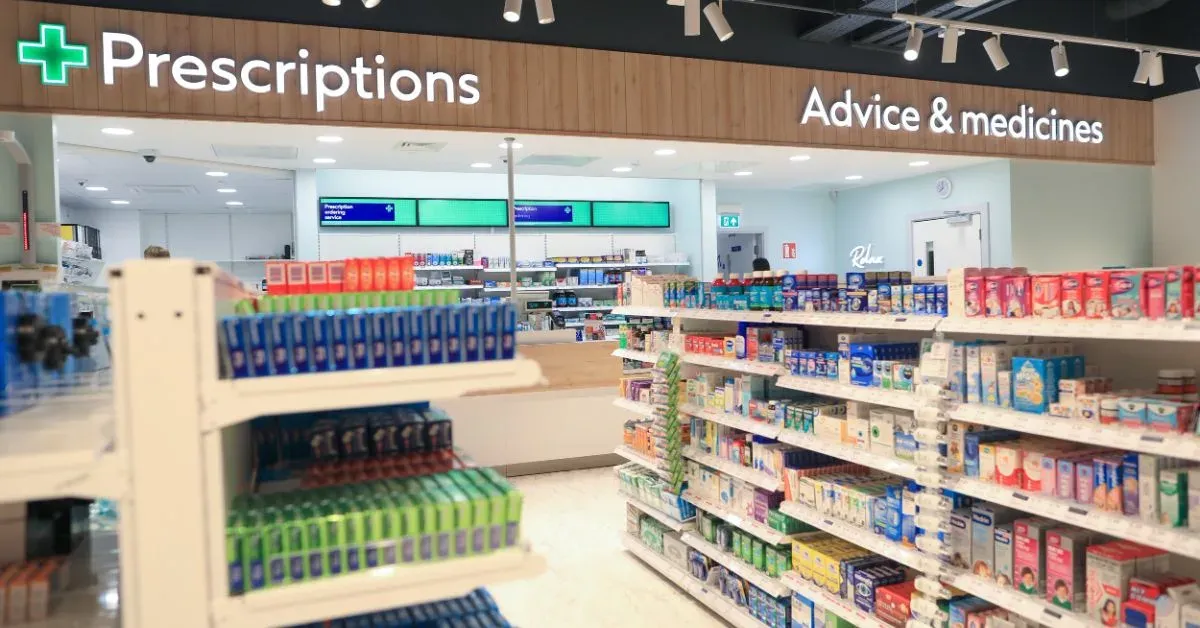
In a major move to make healthcare more affordable and accessible, the Irish government has officially extended tax relief to cover costs incurred at community pharmacies. Starting from March 12, 2026, individuals can claim 20% tax back on both consultation fees and medications prescribed by a pharmacist for a specific range of common health conditions.
Breaking the GP Monopoly
Historically, tax relief on health expenses in Ireland was strictly tied to services provided by or prescribed by a GP or hospital consultant. This meant that if you went to a pharmacist for a minor issue, you had to pay the full price out of pocket with no hope of a refund. The new Common Conditions Service (CCS), which launched earlier this year, has changed the rules.
Tánaiste and Minister for Finance Simon Harris, along with Minister for Health Jennifer Carroll MacNeill, confirmed today that the tax code is being updated to treat pharmacist-led care with the same financial status as GP visits. This initiative is designed to encourage people to use their local pharmacy for minor issues, thereby freeing up thousands of GP appointments for patients with more complex medical needs.
What is Covered?
The relief applies to a specific list of eight “common conditions.” These include everyday issues like cold sores, shingles, conjunctivitis (pink eye), and uncomplicated urinary tract infections (UTIs) in women. Under the CCS, a pharmacist can consult with the patient in a private room, provide a diagnosis, and—if necessary—issue a prescription on the spot.
How the Tax Relief Works
The relief is offered at the standard rate of 20%. For example, if a consultation and the resulting medication cost you €50, you will be able to claim €10 back from Revenue. While the official legislative changes will be included in the upcoming Finance Bill, Revenue has confirmed that an “administrative practice” is in place immediately. This means you should start saving your receipts from today to claim your refund at the end of the year.
A Nationwide Rollout
Public response to the CCS has been overwhelmingly positive. According to the latest data, 94% of all community pharmacies in Ireland—roughly 1,800 locations—have signed up to provide this service. This ensures that almost every town and village in the country has a “mini-clinic” where patients can receive professional care without the long wait times often associated with doctor surgeries.
This policy is part of a broader €75 million investment in the pharmacy sector for 2025–2026. By empowering pharmacists to work at the top of their training, the government hopes to create a more “patient-centered” health system. For the average family, this means less time in waiting rooms and more money kept in their pockets at the end of the tax year.