The Irish government has announced a major new safety campaign. In the coming weeks, every household in Ireland—over two million homes—will receive a special “Emergency Preparedness Booklet” in the mail. This guide is designed to help families stay safe during unexpected crises, such as extreme weather, major power cuts, or even large-scale cyberattacks.
Why is this happening now?
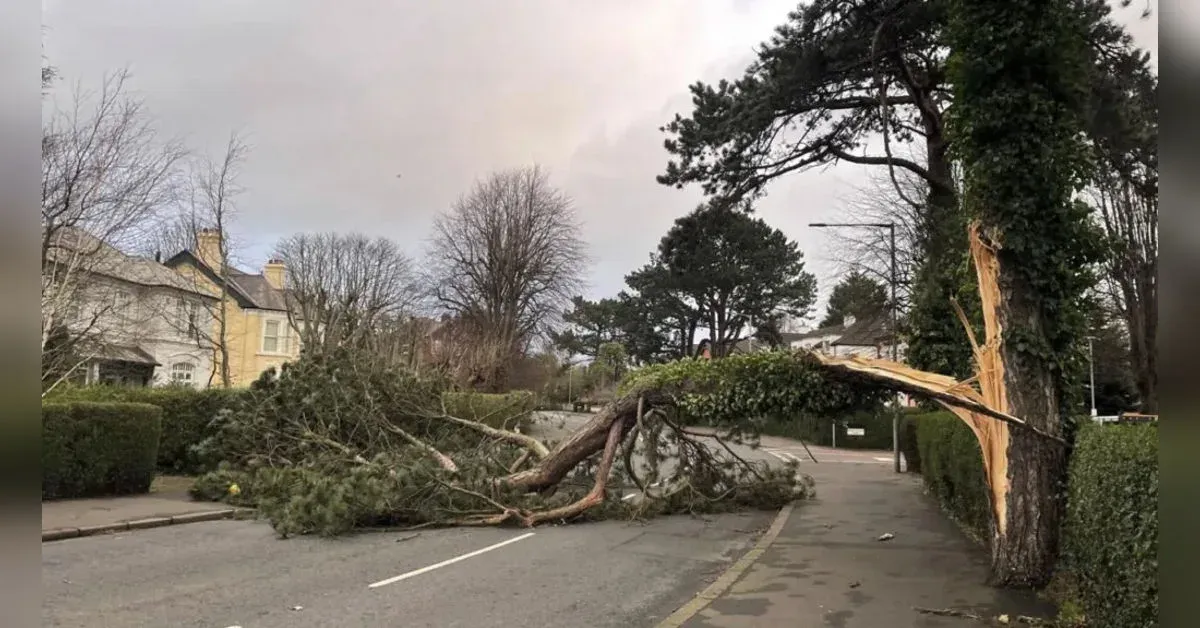
The decision to send this booklet comes at a time of growing global instability. Leaders in the European Union (EU) recently advised all member states to help their citizens become more “resilient.” While there is no immediate threat of war in Ireland, officials say it is better to be prepared for “all-hazard” situations. This includes everything from the effects of climate change, like severe flooding, to disruptions in energy supplies or digital networks.
The “72-Hour Rule”
The most important piece of advice in the new guide is the 72-hour rule. Experts say that in a major emergency, it might take up to three days for help to reach everyone or for essential services like water and electricity to be restored. Because of this, every home is being encouraged to have a “Grab Bag” or an emergency kit ready.
What should be in your kit?
The government suggests that every family should keep a small stock of essentials. The booklet lists six key items:
- Water: Enough for everyone in the house for three days (about 3 liters per person per day).
- Food: Non-perishable items like canned goods, energy bars, or dried fruit that do not need cooking.
- Light: A good flashlight with extra batteries (avoid candles as they can cause fires).
- Information: A battery-operated or hand-crank FM radio. In a total power and internet blackout, the radio will be the only way to hear official government updates.
- Medicine: A first-aid kit and at least a week’s supply of any necessary prescription medications.
- Documents: Copies of important papers like IDs, insurance, and emergency contact numbers in a waterproof folder.
Government leaders, including the Tánaiste, have stressed that this campaign is not meant to cause panic. Instead, it is about common sense. Just as we have smoke alarms for fire safety, the government wants people to have an “Emergency Plan.”
The booklet also includes a section on how to check on elderly neighbours and how to keep pets safe during a crisis. By taking these small steps now, the government believes the entire country will be much stronger and safer if a real emergency ever happens.