The economic fallout from the Middle East conflict has hit Irish soil with unprecedented force this week. As of March 8, 2026, motorists across Ireland are witnessing the fastest price surge in history, with diesel prices jumping by as much as 26 cents per litre in a single 72-hour window. This volatility has pushed prices at several forecourts across the country toward—and in some cases beyond—the €2.00 per litre mark.
The Haulier Ultimatum
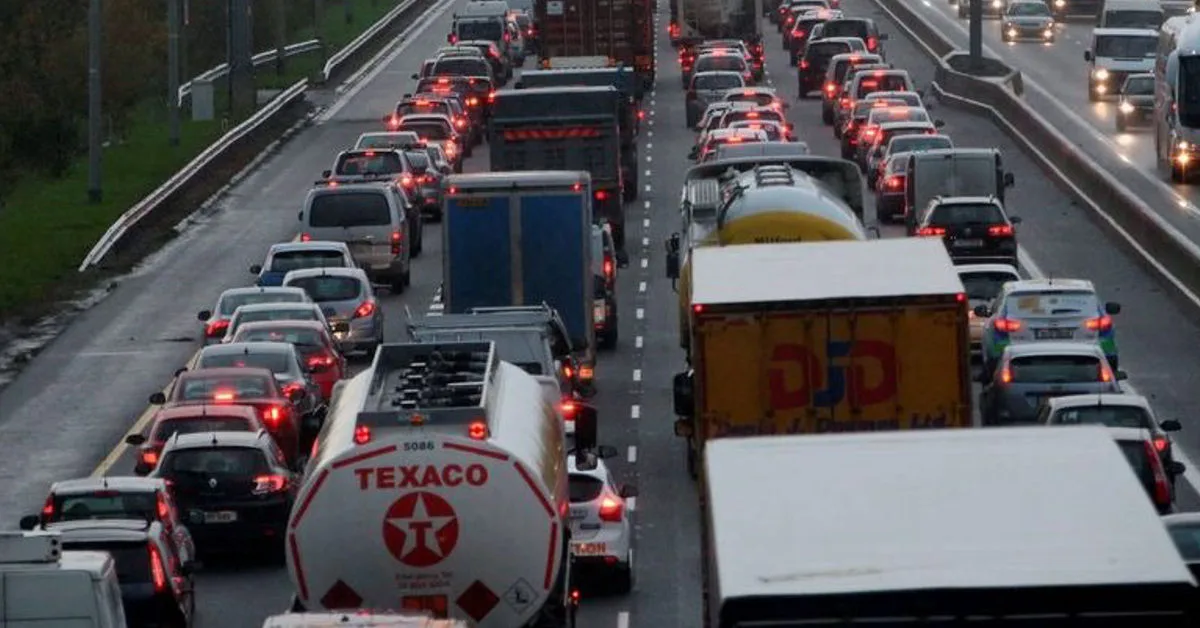
The most immediate concern for the government is the threat of a major protest that could bring Dublin’s transport network to a standstill. An unofficial group, known as “The People of Ireland Against Fuel Prices,” has issued a warning that it intends to “close down the capital” unless immediate government intervention is provided. The group is demanding an emergency cap on petrol, diesel, and home heating oil prices, along with the immediate suspension of the carbon tax.
While the official Irish Road Haulage Association (IRHA) has distanced itself from this specific “splinter group,” the IRHA president, Ger Hyland, has expressed similar frustrations. He noted that the industry is operating on razor-thin margins and that many licensed haulage operators are facing “extinction” if they cannot pass on the increased costs to customers.
The Global Context: Why Now?
The sudden spike is a direct result of military activity near the Strait of Hormuz, a critical maritime passage through which roughly 20% of the world’s oil supply flows. With the strait becoming a high-risk zone, insurance premiums for oil tankers have tripled, and global crude prices have soared. Despite Taoiseach Micheál Martin’s insistence that there is “no excuse” for immediate hikes given Ireland’s North Sea supply connections, retailers argue that their replacement costs are changing multiple times per day.
Consumer and Retail Impact
The “Worse to Come” warning refers to the secondary wave of inflation. Retailers in Dublin city center are already reporting a drop in footfall as people avoid the capital due to high commuting costs and the fear of being caught in traffic blockades. Furthermore, the cost of transporting food and groceries is expected to lead to a 10% increase in supermarket prices within the next fortnight.
The Government remains under intense pressure to act. Minister for Enterprise Peter Burke has urged consumers to report any suspected “price gouging” to the CCPC, but for the hauliers and families facing a choice between “heating and eating,” words are no longer enough. The next 48 hours will be critical in determining whether Dublin faces a total lockdown or if a compromise can be reached to stabilize the nation’s energy costs.