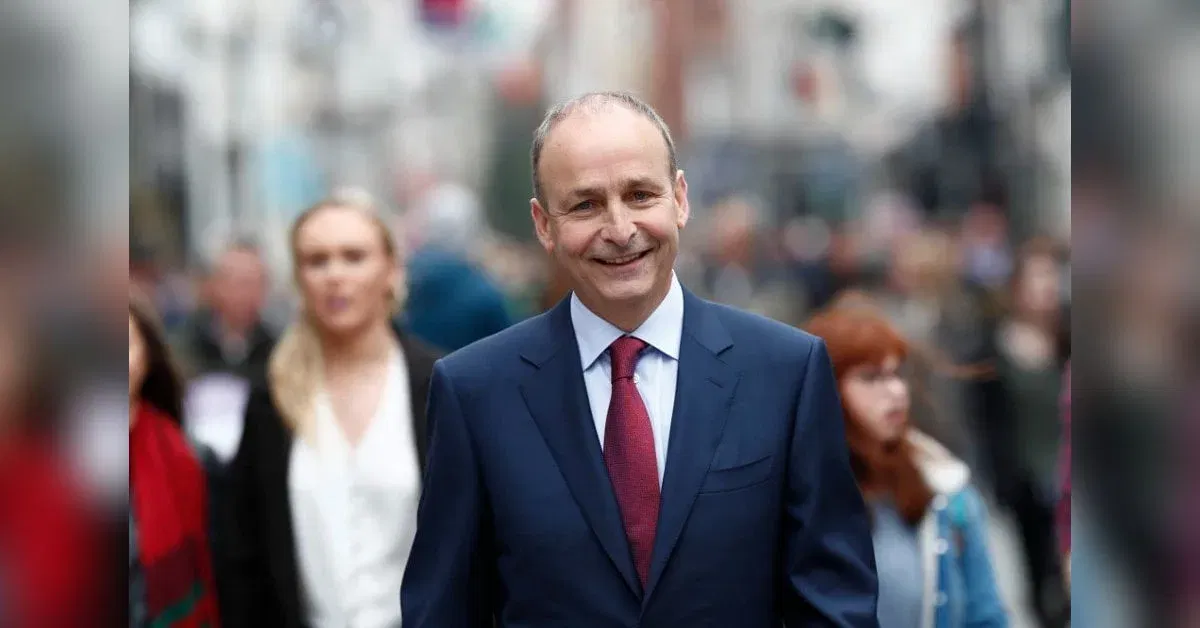
Taoiseach Micheál Martin has sent a clear message to both his party and his political rivals: he has no intention of stepping down. Speaking at a high-profile dinner in County Laois marking the 100th anniversary of the foundation of Fianna Fáil, Mr. Martin firmly stated that he will lead the party into the next general election.
A Century of Politics
The event was a celebration of Fianna Fáil’s century-long presence in Irish politics. Mr. Martin used the occasion to reflect on the party’s historical role in building the Irish state. However, the most significant part of his speech focused on the future. He dismissed rumours of a leadership challenge and insisted that his focus remains on delivering for the public through the current coalition government.
“Fianna Fáil is a party of the people, for the people,” the Taoiseach told the audience. “We have led this country through some of its most difficult times, and I am committed to finishing the work we started. I will be leading this party into the next campaign with a vision of progress and stability.”
The Leadership Question
Despite his confidence, the Taoiseach faces a complicated political landscape. Recent opinion polls from late 2025 suggested a slump in approval ratings for both Mr. Martin and his coalition partner, Tánaiste Simon Harris. Some internal critics within Fianna Fáil have privately suggested that a new face might be needed to win over younger voters.
Names like Justice Minister Jim O’Callaghan and Finance Minister Jack Chambers are often mentioned in leadership circles. However, Mr. Martin appears unbothered by these discussions. When asked about potential successors, he has often joked that the party is “full of talent” but remains firm that his own mandate is strong.
Current Government Performance
The Taoiseach’s decision to stay on is backed by what he describes as a “strong record of achievement” since the 2024 election. Under his current leadership, the government has focused on:
- Housing: Increasing the number of social and affordable homes through the ‘Housing for All’ scheme.
- Economy: Maintaining high employment rates and creating new reserve funds to protect against global recessions.
- Healthcare: Implementing the Sláintecare reforms to reduce waiting lists and improve hospital access.
Looking Towards 2030
While the next general election is not constitutionally required until early 2030, speculation about an earlier snap election is constant in Dublin. By declaring his intentions now, Mr. Martin hopes to end internal debates and present a united front.
Critics from the opposition, including Sinn Féin, have argued that the public is ready for a change. However, Mr. Martin believes that his experience and the party’s centrist approach are what the country needs in an increasingly unstable world. As Fianna Fáil enters its second century, the question is no longer who will lead, but whether the public will once again hand the keys to the Taoiseach’s office to Micheál Martin.