A massive technical glitch in Ireland’s smart meter network has left thousands of households in a state of financial panic this week. On March 10, 2026, reports surfaced across the country of “physically impossible” electricity readings being uploaded to consumer accounts, with some bills jumping from an average of €150 to over €1,400 in just a matter of days.
The Nature of the Glitch
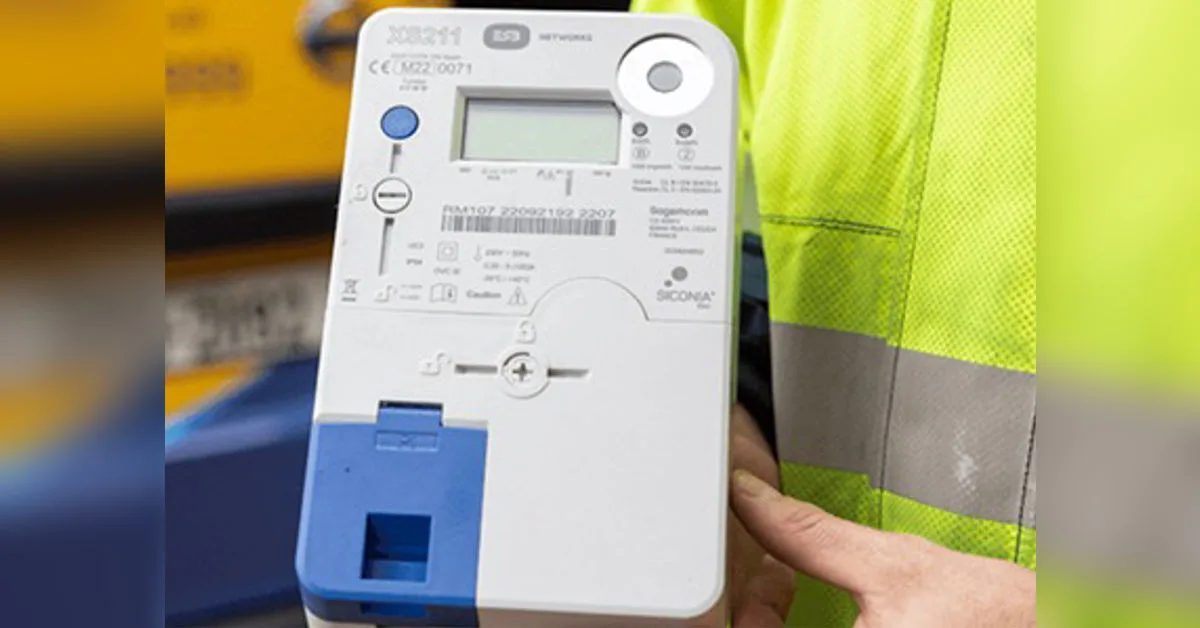
The issue appears to be centered on how ESB Networks processes “Interval Data”—the half-hourly usage statistics that smart meters send to suppliers. Over the weekend of March 7-8, a software error caused some accounts to record consumption levels as high as 600 kWh in a single 30-minute window. To put that in perspective, pulling that much power would require a connection 100 times stronger than a standard Irish domestic house is capable of handling. Essentially, the meters were reporting usage that is scientifically impossible for a single-family home.
The Human Impact
Social media has been flooded with “bill shock” stories. One homeowner in County Mayo reported that her app showed her “spent since last bill” total hitting €1,395, despite her heating being turned off. Another user in Dublin shared a screenshot showing a weekly consumption of 12,515 kWh—roughly what a typical house would use in two full years—all recorded in just seven days.
For many, this is more than just a technical error; it is a source of severe anxiety. With the ongoing economic pressure from the Middle East conflict and rising energy prices, a sudden four-figure bill can trigger automatic direct debit failures and bank charges.
Official Response from ESB and Suppliers
ESB Networks and major providers like Bord Gáis Energy have officially acknowledged the crisis. A spokesperson confirmed that the issue is a “known technical fault” within the data interpretation layer of the system. They have assured the public that “no action is needed” from consumers and that corrected data will be pushed to the billing systems by the end of the week. However, consumer advocates are advising people to keep a close eye on their bank accounts.
Broader Scepticism
This incident has reignited the debate over the €1.2 billion national smart meter rollout. While the government has marketed these devices as a way to “end estimated bills,” many consumers feel the technology has brought more confusion than clarity. Critics argue that the “Time-of-Use” tariffs associated with smart meters often result in higher costs during peak evening hours, and this latest glitch only serves to damage public trust in the transition to a “Green Grid.”
Advice for Consumers If you suspect your meter is reading incorrectly, experts recommend the following:
- Check your Code: On your bill, look for the reading code. “S” stands for Smart, “A” for Actual, and “E” for Estimated. If you have a smart meter but see an “E,” it means your meter has lost connectivity.
- Submit a Manual Read: Even with a smart meter, you can submit a manual photo of your meter face via the ESB Networks website to force a correction.
- Cancel Direct Debits: If you see an impossible bill, contact your bank to temporarily pause the direct debit until the energy supplier corrects the figure, preventing a total drain of your account.