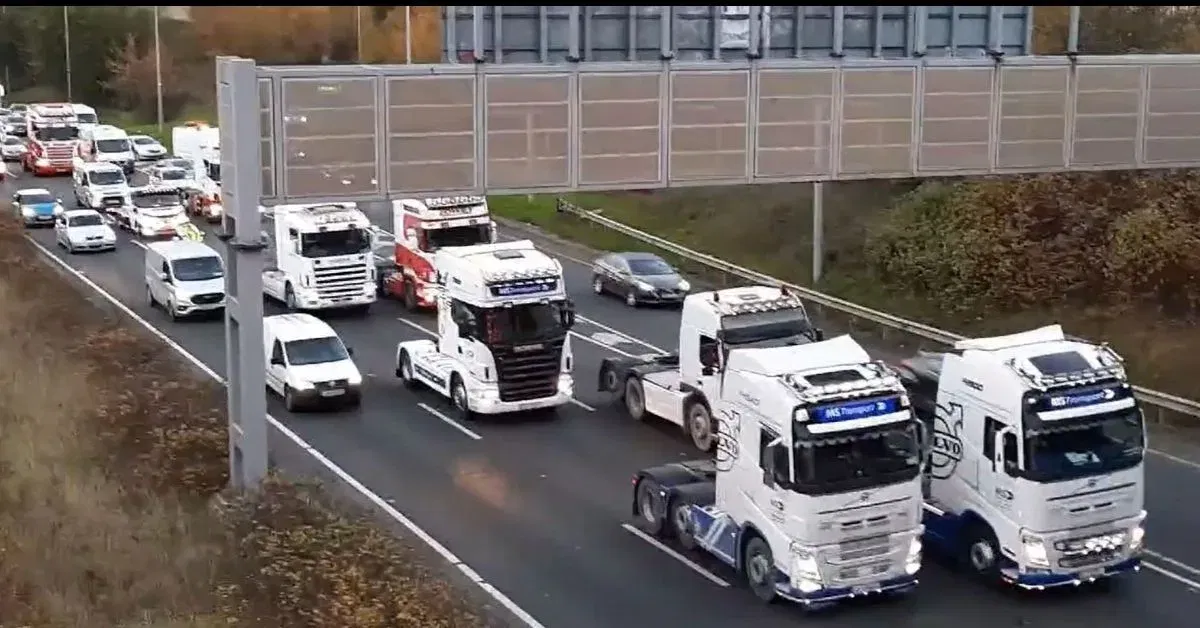
Motorists across Ireland have been advised to prepare for “unprecedented” traffic disruption tomorrow morning, Tuesday, April 7, as a grassroots movement against spiraling fuel costs prepares to launch a nationwide protest. Organized by the group “The People of Ireland Against Fuel Prices,” the demonstration is expected to involve hundreds of heavy goods vehicles (HGVs), tractors, and private cars converging on Dublin and other major urban hubs.
The Strategy: A Multi-Pronged Convoy
The protest is designed to hit commuters at the height of the morning rush hour. According to organizers, multiple convoys will depart from strategic locations starting as early as 6:00 AM. These include the M1 (Castlebellingham), N2 (Ardee), N3 (Virginia/Clonee), N4 (Enfield), and the M7 (Junction 14 Monasterevin). In the south, activists in Cork have planned a rolling blockade of the Jack Lynch Tunnel, while movements in Limerick will target the M7-N18 circular route.
In Dublin, the goal is for these various “streams” of traffic to merge on the M50 and primary routes leading into the city center. While the organizers have stated they intend to keep one lane open for emergency services, the sheer volume of slow-moving vehicles is expected to cause tailbacks stretching for kilometers.
Why Now? The Cost-of-Living Crisis
The motivation behind the protest is a growing sense of desperation among hauliers, farmers, and everyday motorists. Despite recent government interventions, the price of diesel and petrol has remained stubbornly above the €2.00 mark, fueled by ongoing instability in the Middle East and the scheduled increases in the national carbon tax.
Protest organizers are demanding a significant and immediate reduction in excise duty and a complete, temporary suspension of the carbon tax. “Our legacy and our children’s futures are under threat,” a spokesperson for the Donegal transport industry stated. “We have absorbed the costs and tightened our belts, but we can no longer keep our wheels turning under this tax burden.”
Garda and Institutional Response
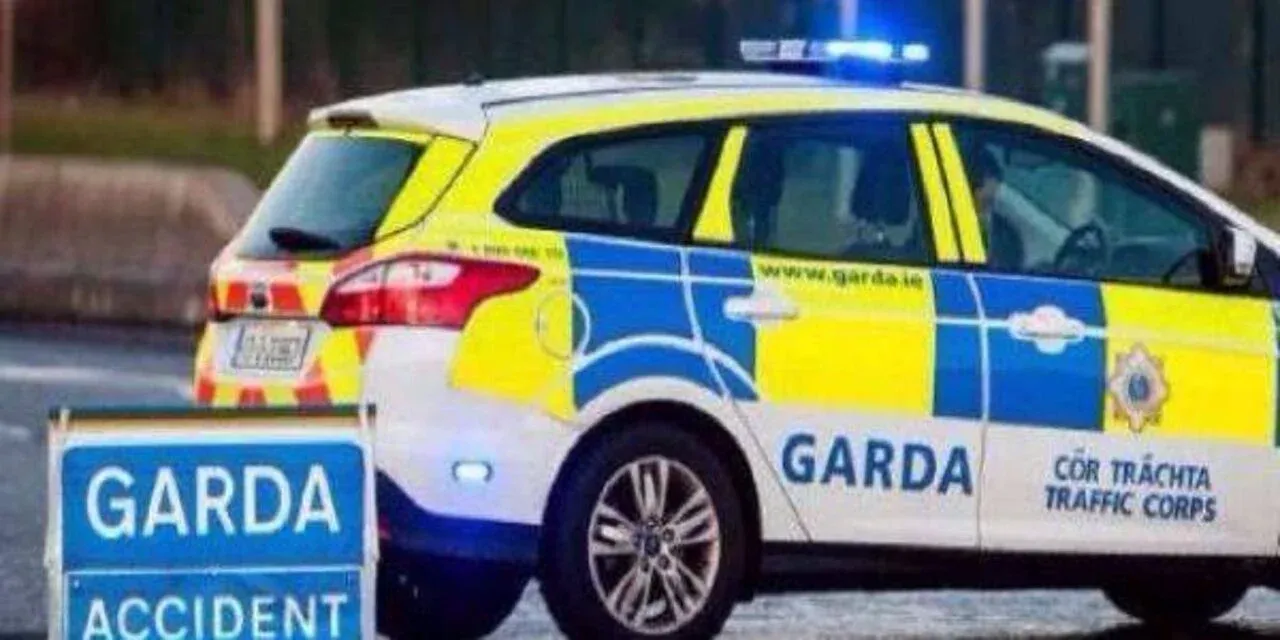
An Garda Síochána issued a formal warning on Monday evening, urging the public to plan their journeys with extreme caution. “While we respect the right to peaceful protest, we anticipate significant additional traffic on all main arteries leading to Dublin and large urban areas from 8:00 AM,” a spokesperson said.
Interestingly, the Irish Road Haulage Association (IRHA) and the Coach Tourism and Transport Council (CTTC) have both distanced themselves from the organization of the event. While both bodies agree that the industry is facing a “national emergency,” they have opted for continued negotiations with the Minister for Transport rather than direct action. This has left the protest largely in the hands of independent operators and local activist networks, making the exact scale and duration of the disruption difficult for authorities to predict.
What to Expect Tomorrow
For those traveling for work, school, or medical appointments, the advice is clear: leave significantly earlier than usual or, if possible, work from home. Public transport users should also be wary, as bus lanes are likely to be affected by the general congestion, despite pleas from the CTTC to keep them clear. As the “rolling blockades” begin, the eyes of the nation will be on the M50 and the capital’s docks, where the most severe impact is expected.