On the eleventh day of the conflict between the U.S.-Israeli coalition and Iran, President Donald Trump has offered a glimmer of hope—or perhaps a calculated distraction. Speaking from Florida on Monday, March 9, 2026, Trump claimed the war could be over “very soon,” describing the military campaign as a “short-term excursion.” However, the reality on the ground in Tehran tells a different story.
Following the appointment of Mojtaba Khamenei as the new Supreme Leader, Iran has signaled a defiant stance. The Islamic Revolutionary Guard Corps (IRGC) rejected Trump’s timeline, stating they alone would determine when the war ends. They have threatened to ensure “not one litre of oil” leaves the region if attacks continue. Trump responded with his own ultimatum: any interference with the Strait of Hormuz would result in the U.S. hitting Iran “twenty times harder” with “death, fire, and fury.”
The Irish Forecourt: The €2 Barrier
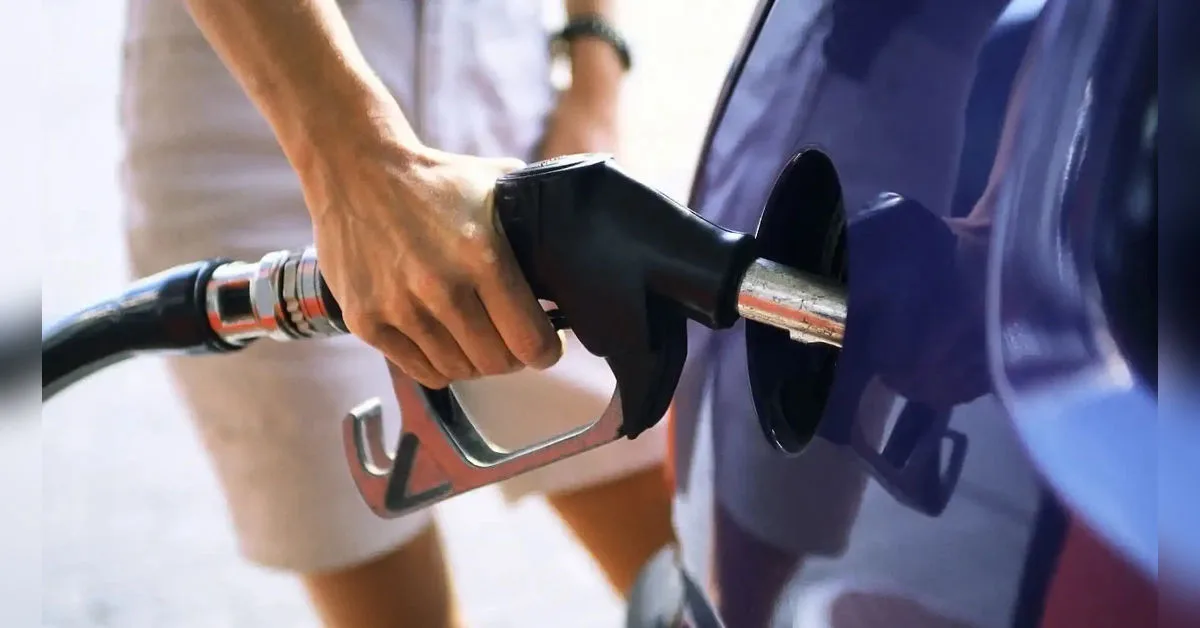
While the rhetoric remains heated in Washington and Tehran, the heat is being felt most directly by Irish consumers at the petrol pump. With global oil prices breaching $110 per barrel, petrol and diesel prices in Ireland are officially moving toward the €2.00 per litre mark. In some rural areas, prices have already ticked over this psychological barrier.
Experts warn that this is not a temporary spike. Because Ireland is heavily dependent on imported energy, global volatility translates almost instantly to local costs. If the Strait of Hormuz remains closed, hauliers have warned they may be forced to stop deliveries, potentially leading to a transport crisis in Dublin and beyond.
Mortgages and the Interest Rate U-Turn
For the thousands of Irish families who were hoping for interest rate cuts in 2026, the war has brought a rude awakening. Prior to the conflict, economists expected the European Central Bank (ECB) to lower rates this year. Now, the inflationary pressure caused by energy costs means rates are more likely to stay high or even rise. Major lenders like Halifax and Barclays have already begun repricing their fixed-rate deals upwards. For an average homeowner, this “war-tax” on mortgages could mean an extra €150 to €250 in monthly repayments by the summer.
Pensions and the Food Chain
The “ripple effect” extends even further. Stock market volatility has wiped billions off the value of global indices, directly impacting Irish pension funds. Those nearing retirement may see their projected pots shrink just as the cost of living peaks.
Furthermore, the price of food is set to climb. Transporting groceries costs more when diesel is at €2, and the rising cost of natural gas—essential for fertilizer production—will eventually push supermarket prices up by an estimated 5% to 10%.
The Irish government is facing calls to provide emergency relief, but with defence spending also on the rise, the state’s options are limited. Whether Trump’s prediction of a “quick end” comes true remains to be seen. For now, Irish consumers are the ones paying the immediate price for a war thousands of miles away.