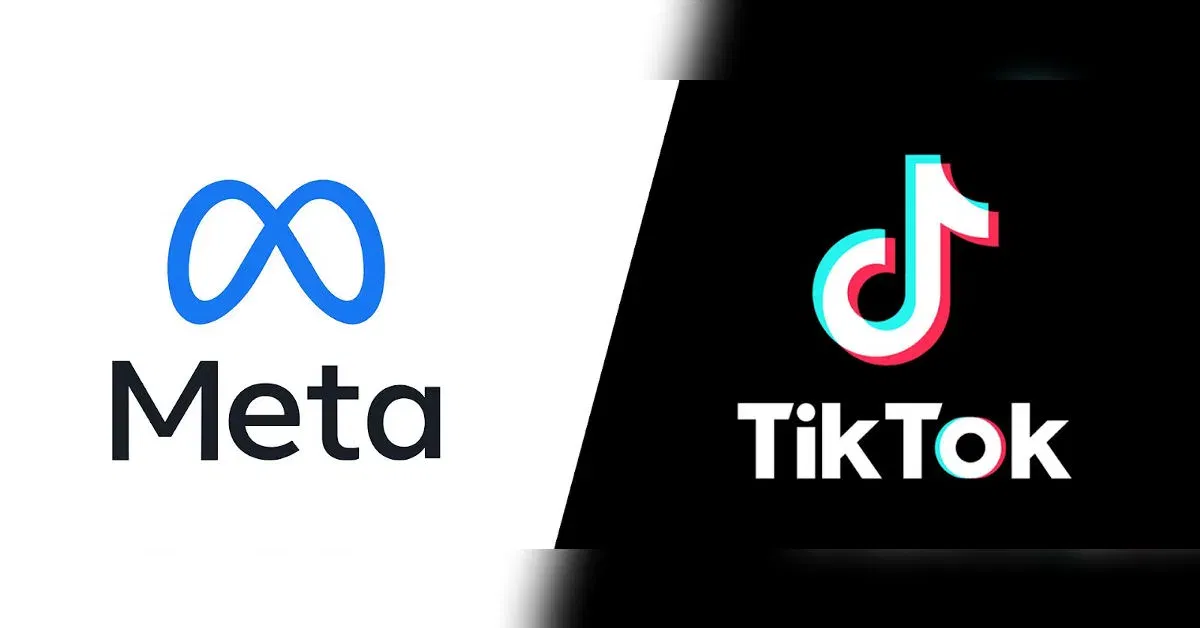
Ireland’s efforts to regulate Big Tech reached a boiling point today as the social media platform X refused to attend an Oireachtas Committee meeting. The meeting was called to discuss the rise of harmful AI-generated content, but while representatives from Meta (Facebook/Instagram) and TikTok appeared for questioning, the seat reserved for X remained empty.
The Conflict with X
The refusal comes despite a direct letter from the Taoiseach asking X to engage with lawmakers. The primary concern revolves around “Grok,” an AI tool on X, which has reportedly been used to create non-consensual sexual images, including those of children. Politicians expressed “disbelief and anger” at X’s decision to snub the committee, with some calling it a “political attack” on Irish and EU safety standards.
TikTok and Meta on the Hot Seat
While X was absent, TikTok and Meta representatives were questioned rigorously.
- TikTok defended its safety measures, claiming it removes thousands of underage accounts every quarter.
- Meta stated that its AI tools are specifically trained to reject requests for nude or non-consensual imagery. However, lawmakers remained skeptical, pointing out that harmful content still slips through their filters and that current age-verification methods are too easy to bypass.
New Government Measures
Media Minister Patrick O’Donovan brought several important memos to the Cabinet today. The government plans to make online safety a top priority during Ireland’s upcoming EU Presidency. Ireland is also advocating for a total ban on AI-generated intimate images across the entire European Union.
The Power of the Regulator
The media regulator, Coimisiún na Meán (CnaM), reminded platforms that the era of “self-regulation” is over. Under the newly binding Online Safety Code, platforms must:
- Use effective age-verification to stop children from seeing adult content.
- Have clear systems for users to report illegal content.
- Remove harmful content like cyberbullying and promotion of self-harm.
Platforms that fail to follow these rules now face massive fines up to €20 million or 10% of their annual turnover.