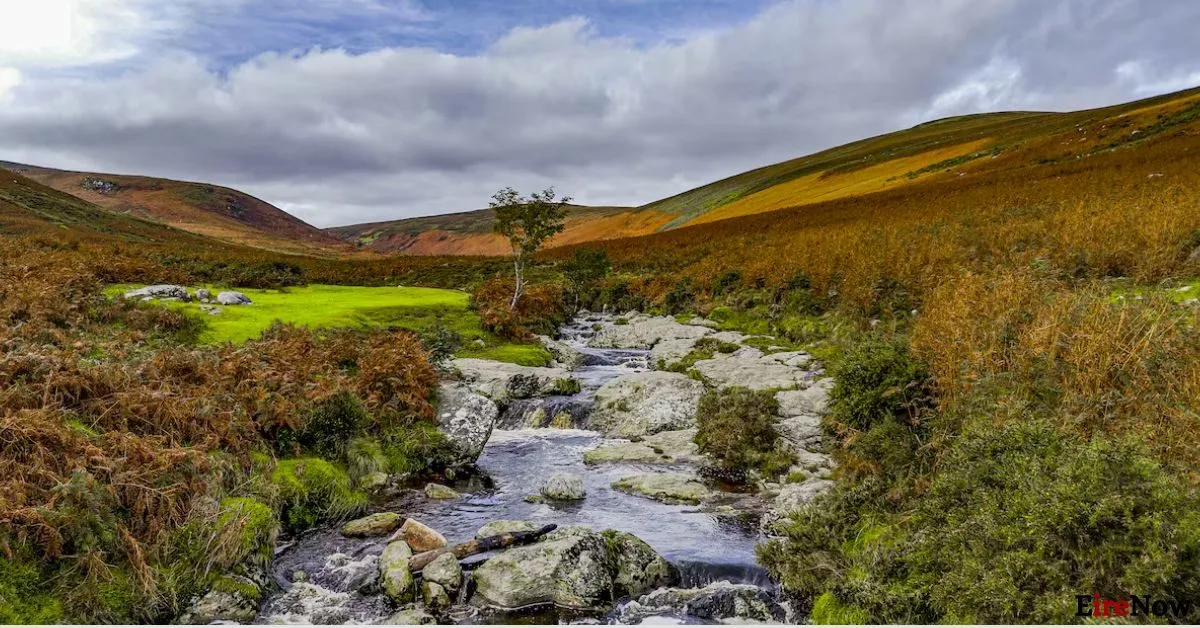
IRELAND – A significant environmental assessment, the Article 17 report, has revealed that 90% of Ireland’s EU-protected habitats are in “unfavourable” conservation status. The study, published every six years by the National Parks and Wildlife Service (NPWS), shows a worrying trend with 51% of these habitats deteriorating further.
While habitats face a crisis, the report offers a silver lining for wildlife: 58% of Ireland’s protected species (such as bats, otters, and frogs) are in “favourable” status, with many showing stable or improving trends.
Key Drivers of Decline
The report identifies agricultural activities as the primary pressure, impacting over two-thirds of the habitats. Specific issues include:
- Inappropriate grazing and drainage
- Water pollution from manure and chemical fertilizers
- Invasive species like Rhododendron impacting woodlands
- Recreational activities affecting sensitive coastal areas
Success Stories & Hope
Despite the overall decline, conservation efforts are showing results. Strategic measures like the restoration of bogs and the All-Ireland Pollinator Plan have led to improvements in peatlands and hay meadows. Ireland also remains an EU stronghold for certain bat and plant species.
Minister for Nature Christopher O’Sullivan described the findings as a reminder that nature restoration takes time, urging a “redoubled commitment” to biodiversity investment. NPWS Director General Niall Ó Donnchú added that while the data is disheartening, it highlights the urgent need for accelerated action.