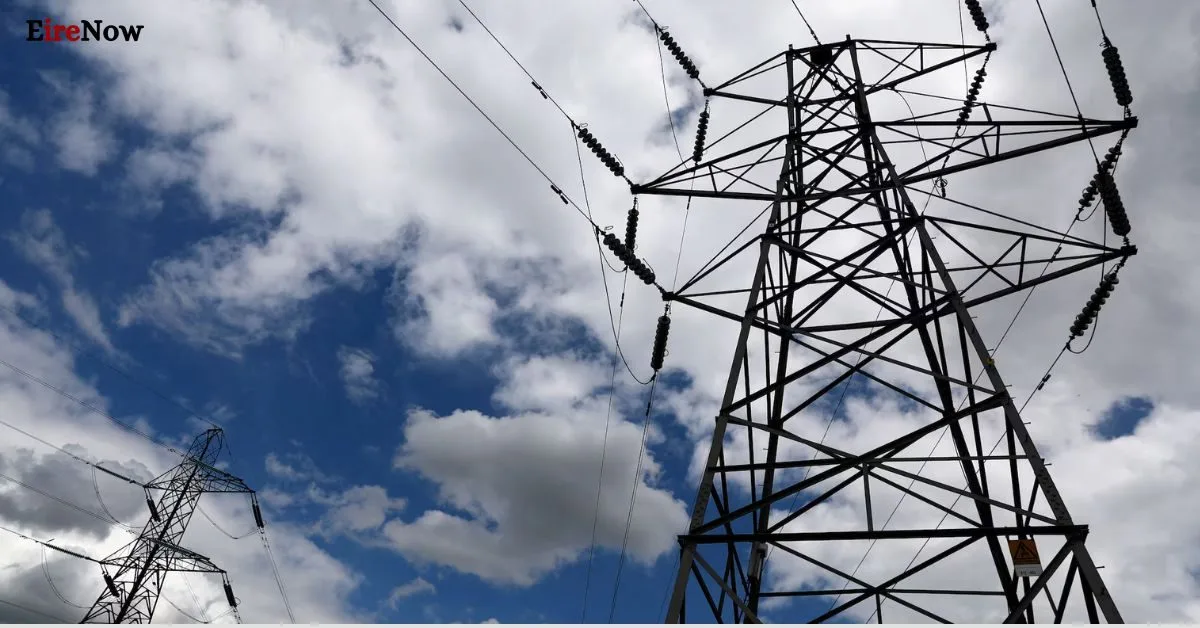
DUBLIN, IRELAND — Irish electricity users will see an increase in their monthly bills starting next year to fund a massive, transformative upgrade of the national electricity grid, which could cost up to €18.9 billion.
The sector regulator, the Commission for Regulation of Utilities (CRU), has initially sanctioned a spending of €13.8 billion by ESB Networks and EirGrid over the next five years. This figure could increase to €18.9 billion if the two organisations meet specific regulatory targets.
- Cost to Consumers: Initially, bills will increase by €1 per month (before VAT), but this could rise to €1.75 if the full €18.9 billion spending is approved.
- Cost Distribution: Domestic users will bear 55% of the costs, while businesses will pay 45%. Network tariffs currently account for 25% to 30% of an average customer’s bill.
Purpose of the Massive Investment
This historic investment, described by Minister for Energy Darragh O’Brien as the “largest investment in the electricity grid since rural electrification,” is crucial for Ireland’s future infrastructure and climate goals. The upgrade will facilitate:
- The connection of 300,000 new homes by 2030.
- The integration of one million electric vehicles and 680,000 heat pumps.
- Electrification of public transport projects like Dublin’s MetroLink and electric buses.
- Strengthening the grid to prepare for climate change/storms and handle increased power from wind and solar energy.
The total investment will involve 520 different capital projects, including 29 major transmission projects and 80,000 pole replacements.
Government and Regulator Stance
Minister for Finance Simon Harris acknowledged that bills are high but stressed that the “prize” for this investment is a more resilient and secure energy supply, which will ultimately lead to “cheaper energy” in the future. The funding will come from a €3.5 billion State investment and €4-5 billion raised on the bond market.
CRU Commissioner Fergal Mulligan likened the scale of the upgrade to the building of the Ardnacrusha power station a century ago, noting the “exponential” growth in demand from EVs, heat pumps, and microgeneration.
Mulligan also advised customers that the most effective way to lower bills is by changing suppliers or switching to a Time of Use tariff with a smart meter, which could have saved customers up to €2,500 over the past four years.