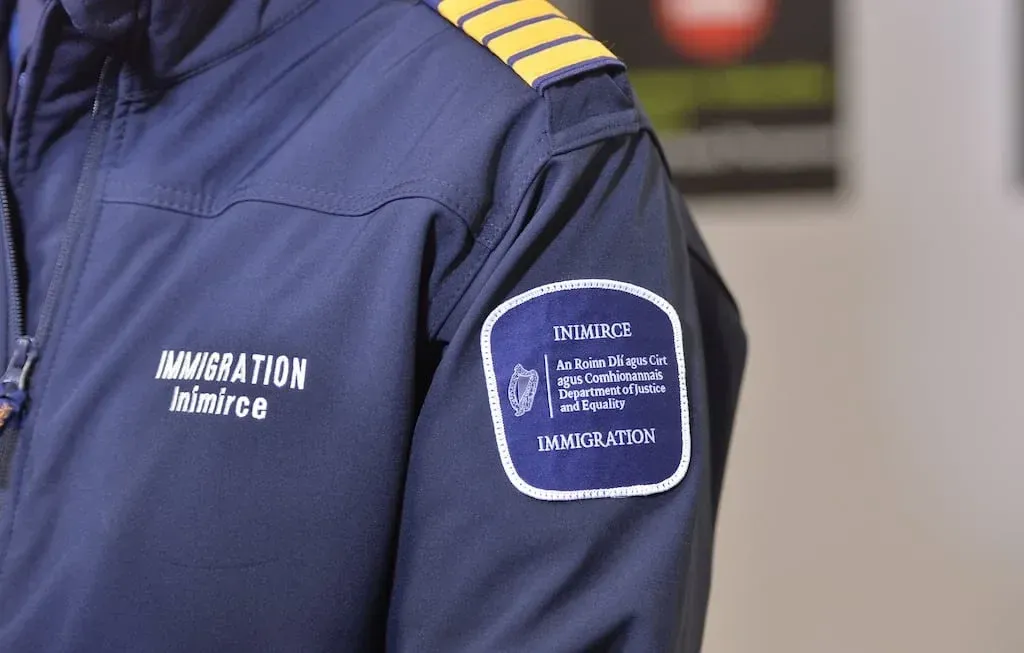
The Irish government released its latest homelessness report today, February 27, 2026, and the findings are a grim reminder of a crisis that refuses to slow down. For the first time in the history of the state, the number of people registered as homeless has surged past the 15,500 mark. This includes a record-breaking number of children, sparking fresh outrage from advocacy groups and opposition politicians.
The Statistics of a Crisis
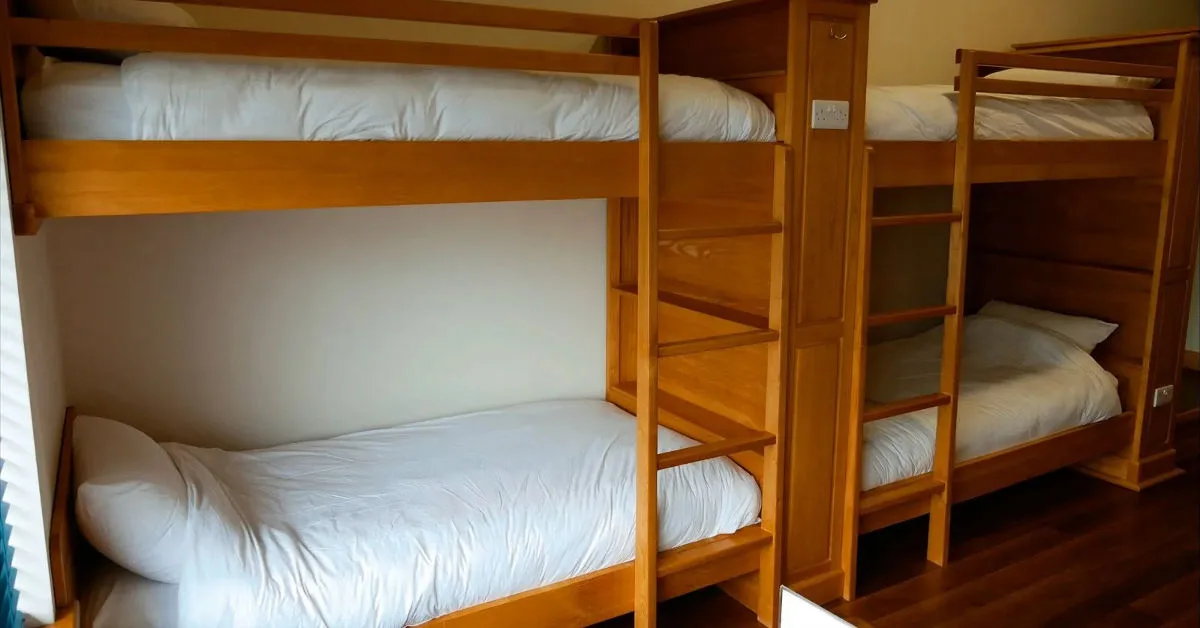
According to the Department of Housing, there are now 15,582 individuals living in emergency accommodation across the country. This represents a significant increase from the same period last year. Of this total, approximately 4,600 are children—meaning that roughly one out of every three people without a home is a minor. Many of these families are living in “hubs,” hotels, or Bed & Breakfasts, often for months or even years at a time.
As has been the trend for a decade, Dublin remains the epicenter of the crisis. More than 70% of the total homeless population is located in the capital city, where the rental market has become almost entirely unaffordable for those on average or low incomes. However, homelessness is no longer just a “Dublin problem.” Cities like Cork, Limerick, and Galway are also reporting a sharp rise in individuals seeking emergency shelter as the cost of living continues to outpace wage growth.
Why Are the Numbers Rising?
The reasons for this peak are multi-layered. Housing experts point to the continued shortage of social housing being built. While the government’s “Housing for All” plan promised thousands of new homes, the delivery has been hampered by high construction costs and a shortage of skilled labor.
Furthermore, the private rental sector is shrinking. Many small-scale landlords are selling their properties to take advantage of high house prices, leaving tenants with nowhere to go. Because there are so few affordable properties available, these tenants often have no choice but to enter the emergency accommodation system.
The Human Cost
Charities like Focus Ireland and the Peter McVerry Trust have described the current situation as a “social catastrophe.” Living in emergency accommodation is not just a housing issue; it is a health and education issue. Children living in hotels often lack a proper place to do their homework, cannot play outside safely, and suffer from extreme stress.
“We are seeing a generation of children growing up without a kitchen table or a front door of their own,” said a spokesperson for a leading housing charity. “The psychological impact of this instability will be felt for decades to case.”
The Political Response
The Minister for Housing, Darragh O’Brien, acknowledged that the numbers are “disappointing” but insisted that the government is doing everything possible. He highlighted that social housing construction is at its highest level in decades, but admitted that it will take more time to bridge the gap.
Opposition parties, however, were quick to criticize. Sinn Féin’s housing spokesperson, Eoin Ó Broin, called for an immediate emergency ban on evictions and a massive increase in the use of modular homes to get families out of hotels.
As Ireland heads into the spring of 2026, the housing crisis remains the most significant challenge facing the country. With the numbers continuing to climb, the pressure is on the government to move beyond promises and deliver the homes that thousands of people so desperately need.