After three days of unprecedented national disruption, there is finally a glimmer of hope in the standoff between the Irish government and fuel price protesters. A major breakthrough occurred late Thursday night when organizers of the grassroots movement secured a formal meeting with government ministers, scheduled for this Friday afternoon at Government Buildings.
A Tense Morning on the Roads
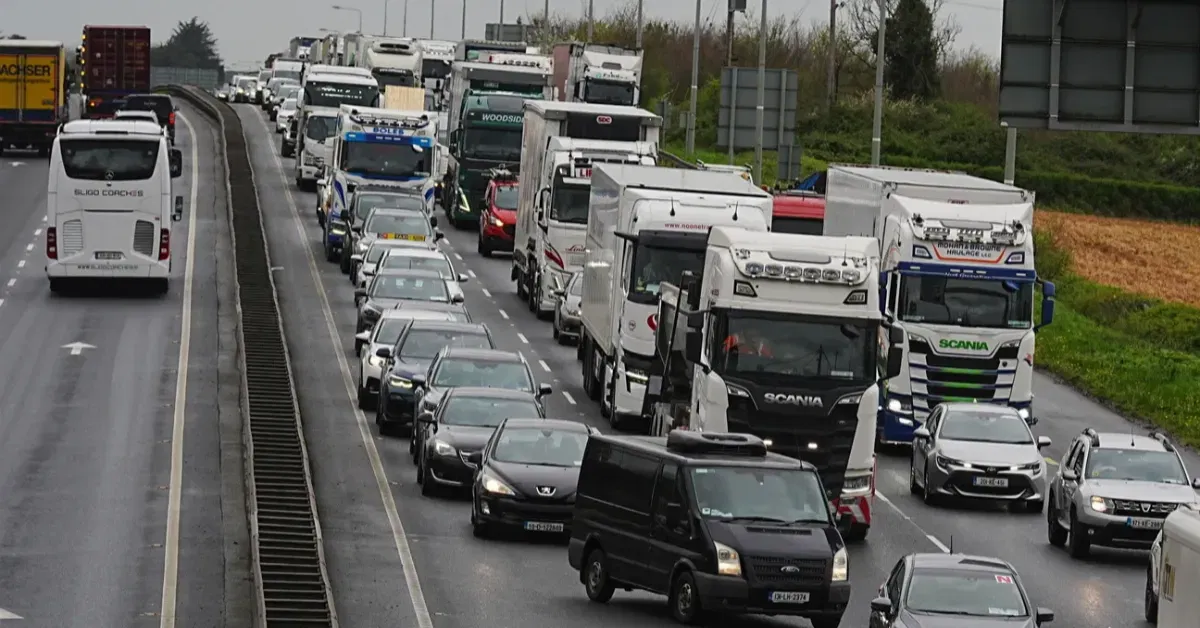
Despite the news of a meeting, commuters across the country woke up to significant travel obstacles on Friday morning. In Dublin, a full road closure was implemented on the M50 Northbound at Junction 6 (Blanchardstown) due to ongoing demonstrations. Similar disruptions were reported at Rosslare Europort and the Whitegate Oil Terminal in Cork.
The protest, primarily led by the Irish Haulage Farming Construction Contractors Amalgamation (IHFCCA), has evolved from slow-moving motorway convoys into a strategic blockade of the nation’s fuel supply chain. By early Friday, reports of “panic buying” emerged, with many petrol stations in Dublin and the Midlands running dry as consumers feared a long-term shortage.
The “Breakthrough” Meeting
The shift toward dialogue comes after days of the government refusing to meet with “unregulated” protest groups. James Geoghegan, a key organizer, described the scheduled talks as a “significant victory for the people.” In a gesture of goodwill, protesters agreed to pull back their vehicles from O’Connell Bridge and allow the release of kerosene from certain depots to ensure home heating supplies reach vulnerable residents.
The meeting will include representatives from the IHFCCA alongside the established Irish Road Haulage Association (IRHA) and the Irish Farmers’ Association (IFA). The core demand remains the same: a drastic reduction in fuel taxes and a suspension of the carbon tax to combat the “economic strangulation” of the transport and agricultural sectors.
Military Support and Enforcement
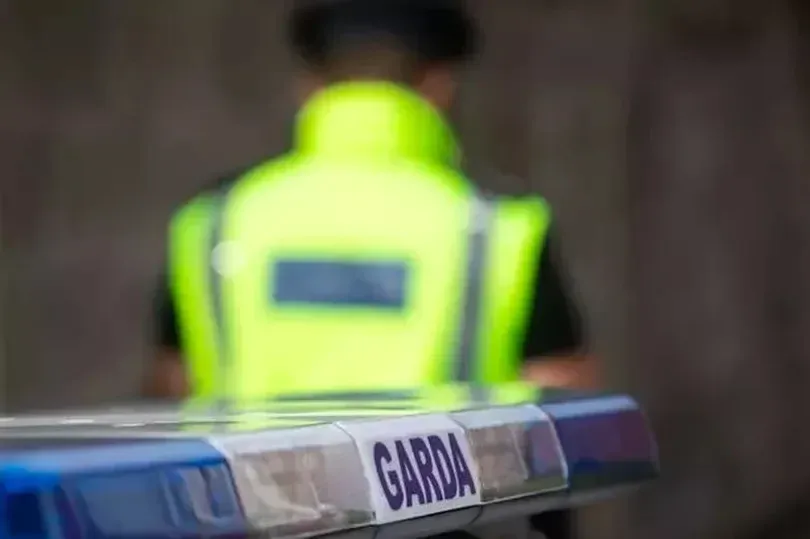
The tension reached a boiling point on Thursday when Justice Minister Jim O’Callaghan confirmed that the government had authorized military assistance for the Gardaí. For the first time in recent history, heavy-lift military vehicles were put on standby to forcibly remove trucks and tractors blocking critical infrastructure.
Garda Deputy Commissioner Shawna Coxon warned that the state would not tolerate the obstruction of “life-saving supplies,” including medical oxygen and drinking water chemicals. While the right to protest is protected, the “enforcement phase” now means that individuals refusing to move their vehicles face the full rigour of the law, including potential imprisonment and the permanent seizure of their livelihoods.
The Global Context
The protests are taking place against a backdrop of global uncertainty. While the 14-day ceasefire between the US and Iran has caused international oil prices to dip, the Irish government argues that it will take time for these reductions to reflect at the pump. The protesters, however, argue that they cannot wait weeks for the market to correct itself while their businesses go bankrupt.
As negotiators enter Government Buildings today, the eyes of the nation are on the capital. The outcome of these talks will determine whether Ireland returns to normal by the weekend or if the blockades will intensify, further threatening the country’s economic stability and essential services.