Taoiseach Simon Harris has vowed that the government will prioritize “life, limb, and livelihoods” as Ireland continues to reel from the devastating impact of Storm Chandra. Speaking from an official visit in Zagreb, the Taoiseach confirmed that emergency flood relief payments will be significantly increased to support families and businesses struggling in the wake of unprecedented flooding across the East and Southeast.
The Impact of Storm Chandra
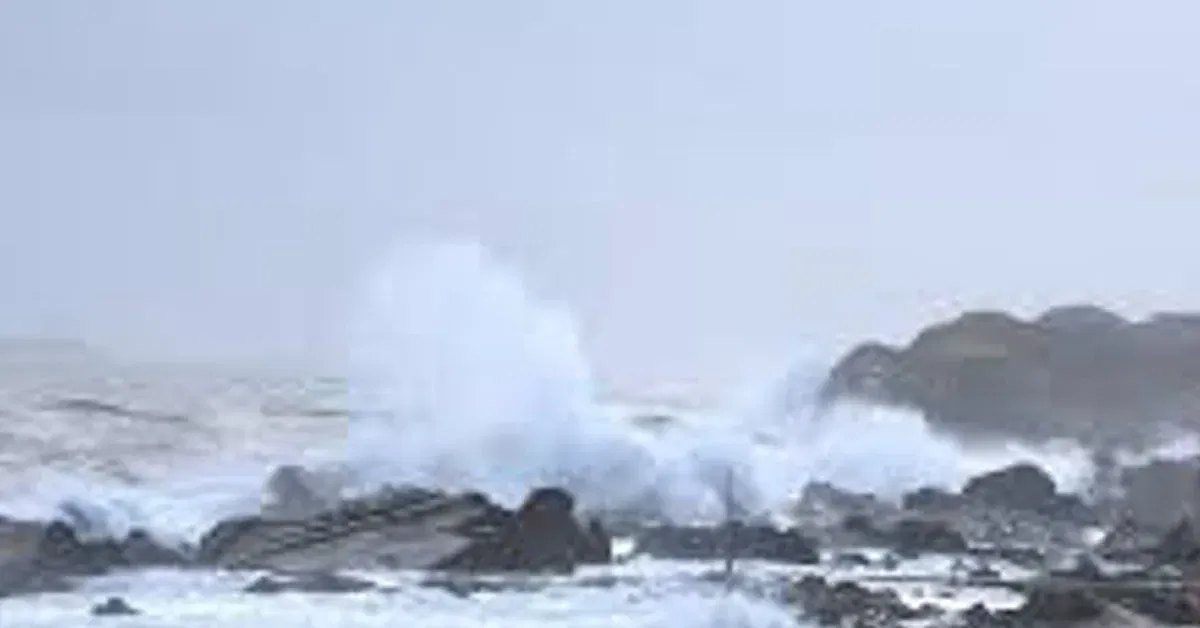
Storm Chandra hit the country with torrential rain and fierce winds, causing the River Slaney and other major waterways to burst their banks. The town of Enniscorthy in County Wexford has been among the worst affected, with residents describing “scenes of devastation” as homes and businesses were submerged under several feet of water. In Dublin, areas like Howth and Churchtown saw severe surface flooding, leading to chaotic commutes and property damage.
At the peak of the storm, over 20,000 homes and businesses were left without electricity. In Northern Ireland, more than 300 schools were forced to close their doors for safety reasons. Travel was also heavily disrupted, with Dublin Airport cancelling nearly 30 flights and several rail lines, including the Rosslare line, remaining suspended due to flooding on the tracks.
Government’s Financial Response
Recognizing that the current financial support limits are often “too low” for the scale of modern climate events, the Taoiseach announced a boost to the Humanitarian Flooding Scheme. Under the new measures, immediate funding of up to €5,000 will be available for essential needs, while small businesses and voluntary organizations can apply for grants up to €20,000 for significant structural damage.
“We are responding in real-time with financial assistance,” Mr. Harris stated. “People want to know that the state is on their side when disaster strikes, and we will ensure these funds reach the affected communities without delay.”
Debate Over Weather Warnings
The storm has also sparked a national debate regarding Ireland’s weather warning system. Met Éireann has come under fire from some government ministers for allegedly “holding back” information or issuing warnings that do not fully convey the potential danger. Some argue that “Status Yellow” alerts can give people a false sense of security, leading to lack of preparation for significant flooding.
Taoiseach Harris defended the national forecaster but acknowledged that the system needs a rethink. “The naming of storms as yellow, orange, or red is no longer simple. There is a context to each event—saturated ground from weeks of rain means that even a small amount of extra precipitation can cause massive damage. We need a more nuanced system that explains the specific risks to the public.”
Long-term Flood Defences
The Taoiseach also addressed the long-standing delays in building flood defences in towns like Enniscorthy. He referenced the challenges of balancing environmental protection, such as the preservation of endangered species like the freshwater pearl mussel, with the urgent need to protect human habitats. A special cabinet committee meeting is scheduled for next week to fast-track critical infrastructure projects intended to prevent such disasters in the future.
As clean-up operations begin, the Gardaí and emergency services remain on high alert. Residents in flood-prone areas are advised to stay away from riverbanks and avoid driving through floodwaters.