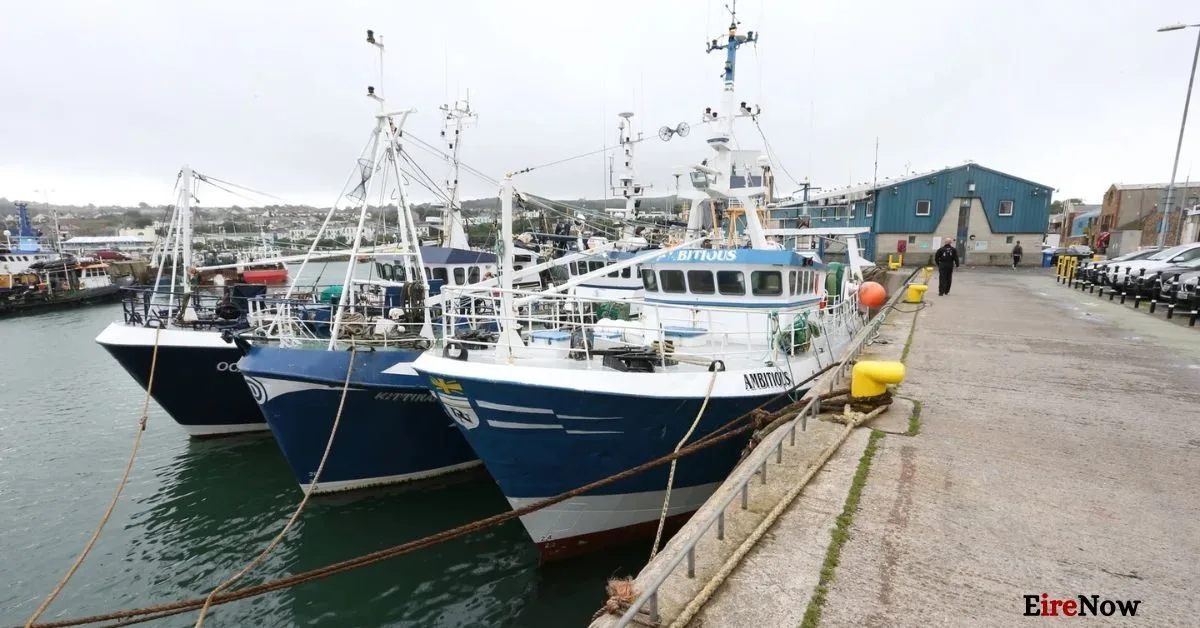
Dublin: The agreement on fishing quotas for 2026, concluded in Brussels by EU Member States following the Agri-Fish Council, will pose a “very real challenge” to Irish fishermen and their communities, according to Minister of State for Fisheries, Timmy Dooley.
While the Minister acknowledged the outcome, fishing organisations have collectively branded the deal as “catastrophic” for the Irish industry, warning it places over 2,300 jobs in coastal towns at risk.
Unprecedented Economic Blow
The Seafood Ireland Alliance, which represents major fishing and processing bodies, detailed the scale of the impending financial crisis:
- Quota Reduction: The industry faces a loss of approximately 57,000 tonnes in available quota for the next year.
- Financial Impact: The direct value of this quota loss is estimated at €94 million. When factoring in the losses across the entire value chain (processing, logistics, and export), the total economic blow is projected to reach €200 million.
- Job Threat: This contraction in the supply of raw material directly “could impact 2,300 jobs” in coastal communities, where many small support businesses rely on the fishing fleet’s activity.
Scientific Advice Drives Severe Cuts
Minister Dooley confirmed that the extreme cuts were necessitated by scientific advice to the European Commission, which highlighted that several fish stocks crucial to the Irish fleet are at dangerously low biological levels.
The Minister specifically cited the advised 70% drop in the Total Allowable Catch (TAC) for mackerel, compounded by significant reductions in blue whiting and boarfish, as having a “huge impact on jobs, lives and livelihoods.” He attributed the stock reduction largely to the overfishing of mackerel by non-EU third countries, an issue Ireland has consistently urged the EU to address.
Government Promises Financial Lifeline
Responding to the imminent threat to the sector’s viability, Minister Dooley pledged swift government action.
He announced that he will shortly bring a memo to Cabinet to establish a framework for financial intervention. This will include appointing an independent chairperson to steer a dedicated programme of financial supports aimed at assisting the affected communities through the “difficult days ahead.”