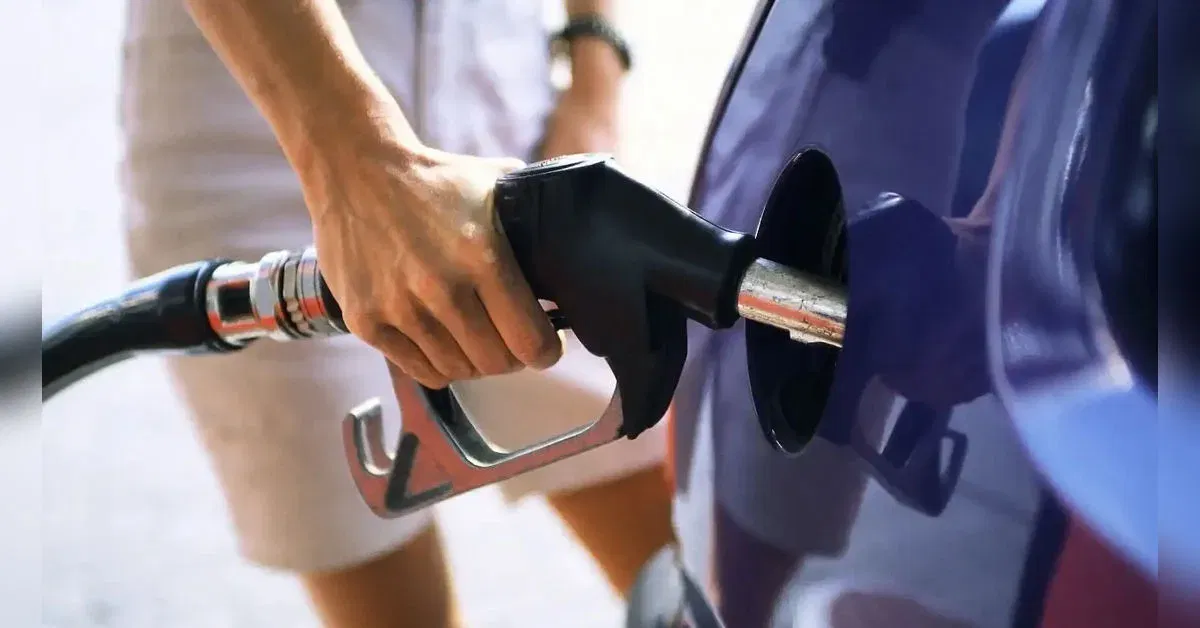
As of March 20, 2026, the Irish government has officially shifted into “emergency mode” regarding the skyrocketing cost of fuel. Following a week of intense criticism from both the opposition and the public, Tánaiste Simon Harris has confirmed that a significant intervention package will be brought before the Cabinet this coming Tuesday. The goal is simple: to provide immediate relief to motorists and hauliers who are currently paying the highest fuel prices in the history of the state.
The Main Weapon: Excise Duty Cuts
The centrepiece of the government’s response is a proposed emergency reduction in Excise Duty. Sources within the Department of Finance suggest that Minister Jack Chambers is looking at a cut of 20 cents per litre for petrol and 15 cents for diesel. This would be a temporary measure, likely lasting for six months, aimed at absorbing the shock caused by global supply chain disruptions following the conflict in the Middle East.
However, this move is not without controversy. While Fine Gael and Fianna Fáil are pushing for a universal cut that benefits all drivers, the Green Party is advocating for a more “climate-conscious” approach. They argue that a universal cut encourages fossil fuel use and are instead pushing for a “targeted” rebate system for low-income workers and rural commuters.
The Carbon Tax Dilemma
Adding to the tension is the scheduled Carbon Tax increase due in May. Opposition parties, led by Sinn Féin, have called for this increase to be scrapped entirely. While the government has so far refused to cancel the tax, there are whispers in the corridors of Leinster House that a “deferral” is being considered. “We cannot ask people to pay more for the environment when they cannot afford to drive to work,” one government backbencher remarked, signaling a possible shift in the coalition’s hardline stance.
Expanding the Safety Net:
The Fuel Allowance For those not behind the wheel, the government is looking at expanding the Fuel Allowance scheme. Current proposals include a “Spring Bonus” payment of €200 for households already receiving the allowance. Furthermore, there is a plan to temporarily raise the income threshold, allowing an additional 50,000 middle-income families to qualify for support as home heating oil prices remain dangerously high.
Business and Haulage Support
The government is also sensitive to the “inflationary domino effect.” If truck drivers cannot afford diesel, grocery prices will rise even further. To prevent this, a dedicated Haulage Emergency Grant Scheme is expected to be announced. This would provide direct cash payments to licensed transport companies based on their fleet size, helping them stay on the road without passing the costs onto consumers.
A Wait-and-See Game
While the promises are being made today, the public remains skeptical. Many remember the slow rollout of previous energy credits. The Tánaiste has promised that once the Cabinet signs off on Tuesday, the price at the pump should reflect the changes within 48 hours. However, with global oil markets remaining volatile, the government’s intervention may only be a temporary band-aid on a much larger economic wound.
The eyes of the nation are now firmly fixed on Tuesday’s Cabinet meeting. For the government, it is a test of their ability to protect the “squeezed middle” during an unprecedented energy crisis.