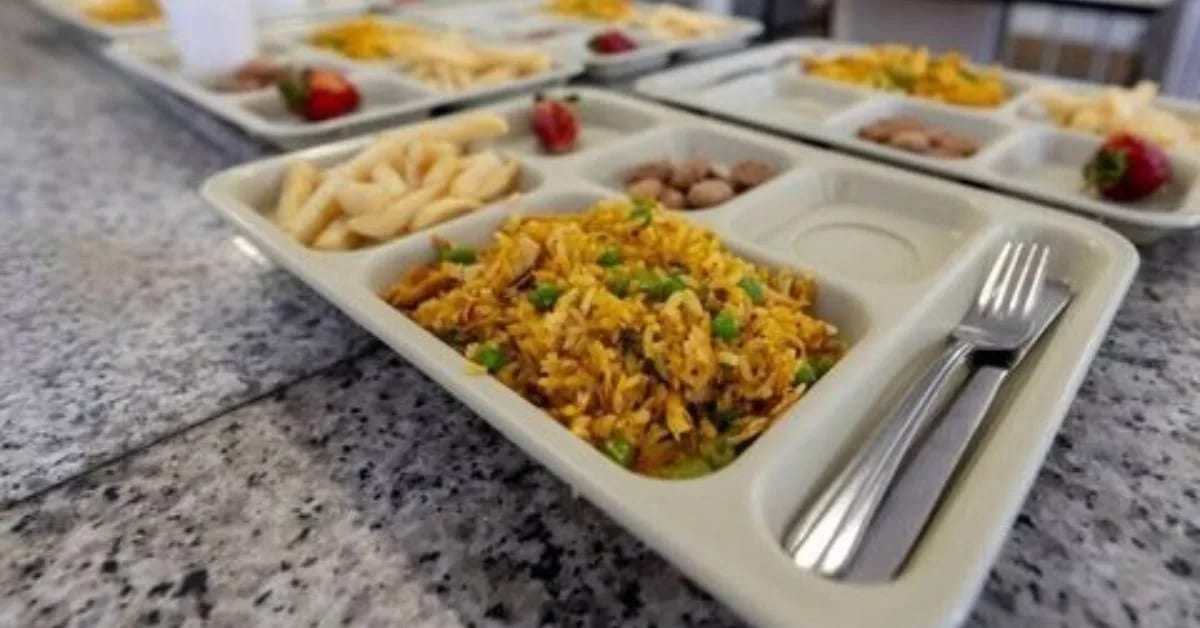
At first glance, the Department of Social Protection’s March 2026 report on the Hot School Meals Programme looks like a total victory. With a 99% approval rating from parents, it seems the nation is satisfied. However, a closer look at the feedback reveals a “hidden hunger” for better quality. While parents love the idea of a free meal, they are increasingly vocal about the lack of variety, repetitive menus, and poor food quality that their children face daily.
The “Pasta and Chicken” Loop
The most frequent criticism found in the 2026 survey comments is the “boring” nature of the menu. Many catering companies working with the 2,000+ participating schools rely on a limited 10-day cycle. Parents have reported that children are often served variations of pasta or chicken nuggets multiple times a week. This “carb-heavy” approach has led to “menu fatigue,” where students simply stop eating the food after the first few weeks.
The Quality Gap
While the government enforces strict nutritional guidelines, the reality on the plate often looks different. Because many schools lack on-site kitchens, meals are pre-cooked in industrial hubs and transported in insulated boxes. By the time the food reaches the student, the texture and temperature have often suffered. “Soggy vegetables” and “lukewarm stews” were common complaints in the open-ended section of the survey. Some parents even described the meals as “airline food at its worst,” arguing that the nutritional value is lost if the child refuses to eat it.
The Waste Crisis
Perhaps the most damning evidence of the menu’s failure is the level of food waste. In some Dublin and Cork schools, teachers have reported that up to 30% of the hot meals are being thrown directly into the bin. Children find the food “bland” or “strange-tasting,” leading to a situation where the state is paying for thousands of meals that end up in landfills rather than in children’s stomachs. Critics argue that the 99% “success rate” is misleading because it measures support for the funding, not the food.
A Cultural Blind Spot
Ireland’s classrooms are more diverse than ever, but the Hot School Meals menu remains largely “traditional.” For the thousands of children from international backgrounds—including the growing Indian and Malayali community—the meals are often seen as uninspired. There is a significant lack of vegetarian variety and a complete absence of the “flavour profiles” that many children are used to at home. Parents are calling for “Global Menus” that reflect modern Ireland rather than a one-size-fits-all approach.
Government Response
Minister Heather Humphreys has acknowledged the feedback, stating that “quality control” is the next priority. The Department is considering a new “Tiered Catering” system that allows schools more flexibility to choose local, fresh suppliers rather than large-scale industrial caterers. However, for now, many parents remain frustrated that their children are still coming home with full lunchboxes—or empty stomachs—despite the millions of euros being spent.