Irish travelers are being warned to prepare for a “summer of chaos” at the nation’s airports. A worsening shortage of Air Traffic Controllers (ATCs) is threatening to ground thousands of holidaymakers as we approach the busiest time of the year.
The Current Breaking Point
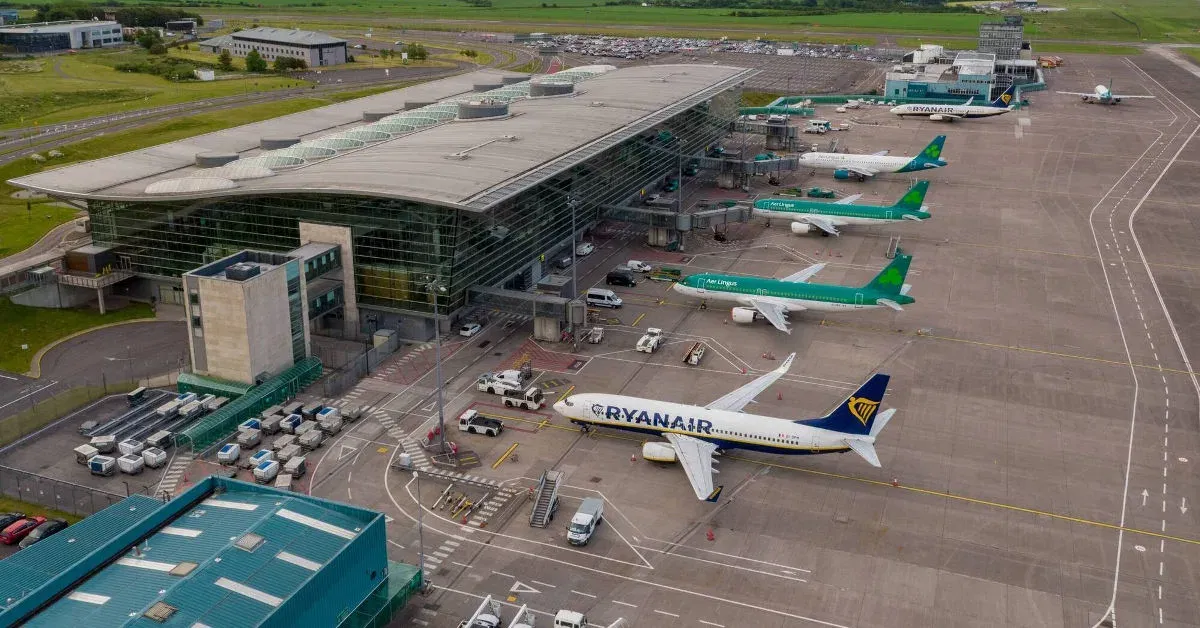
The warning follows a series of unexpected airspace closures that have rocked the aviation sector since January. In just the first six weeks of this year, Irish airspace has been forced to shut down more than ten times. The most high-profile incident occurred just days ago when Cork Airport had to stop all flights for seven hours. The reason? Only one air traffic controller called in sick, and there was no one available to take their place.
Dublin Airport has also been hit hard. Its northern runway has already been closed at least 11 times in 2026 due to staffing gaps. These aren’t just minor delays; they lead to what the industry calls a “zero flow rate,” where no planes are allowed to land or take off, forcing transatlantic flights to circle for hours or divert to other countries.
Why is this happening?
At the heart of the problem is a lack of people. AirNav Ireland, the company responsible for our skies, simply does not have enough controllers to cover the roster safely.
- Over-reliance on Overtime: Most shifts are currently covered by staff working on their rest days. Unions like Fórsa and IATCA say this is unsustainable and that staff are exhausted.
- The Global Talent War: Ireland is a victim of its own success in training. Newly qualified Irish controllers are in high demand worldwide. Many are leaving for lucrative jobs in the Middle East, where they earn much higher tax-free salaries.
- Recruitment Lag: While 32 trainees graduated in January, it takes 18 months to train a controller. Experts say the new recruits are not arriving fast enough to replace those who are retiring or leaving.
The Threat to Summer Holidays
Aviation chiefs, including Michael O’Leary of Ryanair and former Aer Lingus boss Willie Walsh, have signaled that unless the government intervenes, the peak months of June, July, and August will be a “mess.” If a single sick day can shut down an airport in February, the pressure of thousands of extra flights in the summer could cause the whole system to collapse.
What should passengers do?
For now, the advice is to stay alert. Passengers are encouraged to download airline apps for real-time updates. If your flight is delayed or canceled due to these ATC issues, you may be entitled to food, drinks, and hotel stays, though cash compensation is harder to get for “extraordinary circumstances” like these.