
Public sector unions are being pushed to make a quick decision on what is being described as a take-it-or-leave-it pay offer, as talks enter their final stage just days before a national strike and a major EU summit in Dublin.
According to reports, the unions have been given around 48 hours to decide whether to accept the Government’s latest proposal. The Government says the offer is “substantially improved,” while some union sources believe it still falls short.
The offer would deliver pay increases of 10.5% in an agreement running until the early months of 2029. That is equal to around 11% once the increases are compounded over the length of the deal. It would include a bigger package for lower-paid workers, with some receiving rises of up to 17.8%. Sources say workers would also receive a payment of €1,200 or 2%, whichever is higher, in 2026, bringing pay increases for this year to 4%.
Earlier this month, unions rejected a Government offer worth 7.75% over two and a half years. That earlier offer included a 1.75% rise from November 1 and further increases of 1% in April, August and November 2027, with similar increases in 2028. The Irish Times reported it would have cost about €3.5 billion. Unions called it “not credible.” They say they want a better deal than the last agreement, which was worth 10.25% over two and a half years and expired at the end of June.
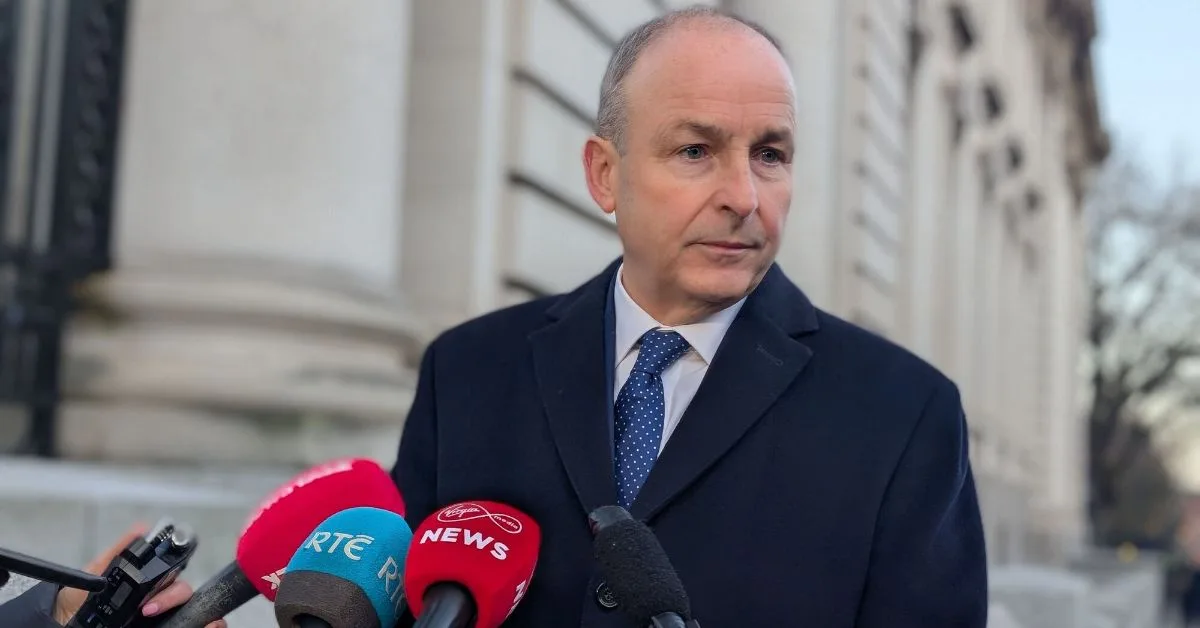
Taoiseach Micheál Martin said the Government has made a “substantially improved offer on previous offers,” and that it makes an agreement “very possible,” though “others have to consider” it. Tánaiste and Finance Minister Simon Harris called it “substantially revised and improved,” said there is now “an onus on everybody to try and find a landing zone,” and urged work towards “resolution and de-escalation.” He said nobody wants “further disruption,” but that any deal must be “sustainable.”
Fórsa general secretary Kevin Callinan told members the process is “very difficult.” Union sources said the new offer still falls short of what they believe is needed for a wider agreement. Some union figures were also unhappy after details of the offer appeared in the media, which they felt was an attempt to undermine them. Union representatives were reported to be giving “one more attempt” on Monday to persuade the Government to improve it.
Talks have been taking place with a Government-appointed group chaired by Workplace Relations Commission chair Kevin Foley. Sunday’s meeting was adjourned after a couple of hours and resumed on Monday. There had been suggestions that Mr Foley might declare the gap between the two sides too wide to continue.
Unions are preparing for a 24-hour work stoppage on Thursday, November 12. In a message to members, Mr Callinan said preparations are “well under way” for the stoppage and for rallies. Workers will be encouraged to march rather than stand at picket lines. There will be eight demonstrations from 12pm to 2pm, with the largest in Dublin, where workers may march from O’Connell Street to Government Buildings. Others will be held in Cork, Limerick, Galway, Waterford, Sligo, Tullamore and Letterkenny.
The strike falls on the same day as a major meeting of European leaders in Dublin, part of Ireland’s EU Presidency. Extensive road closures and traffic restrictions are planned, with gardaí running their largest-ever policing operation for EU meetings. Unions moved the strike from Wednesday to Thursday, saying the change was “driven by logistical considerations” such as job-sharing and school arrangements, and not to target the summit.
If there is no deal, unions say they will step up the work-to-rule action already under way and consider further industrial action, including rolling strikes in individual sectors. A strike on October 14 involved more than 300,000 public sector workers.