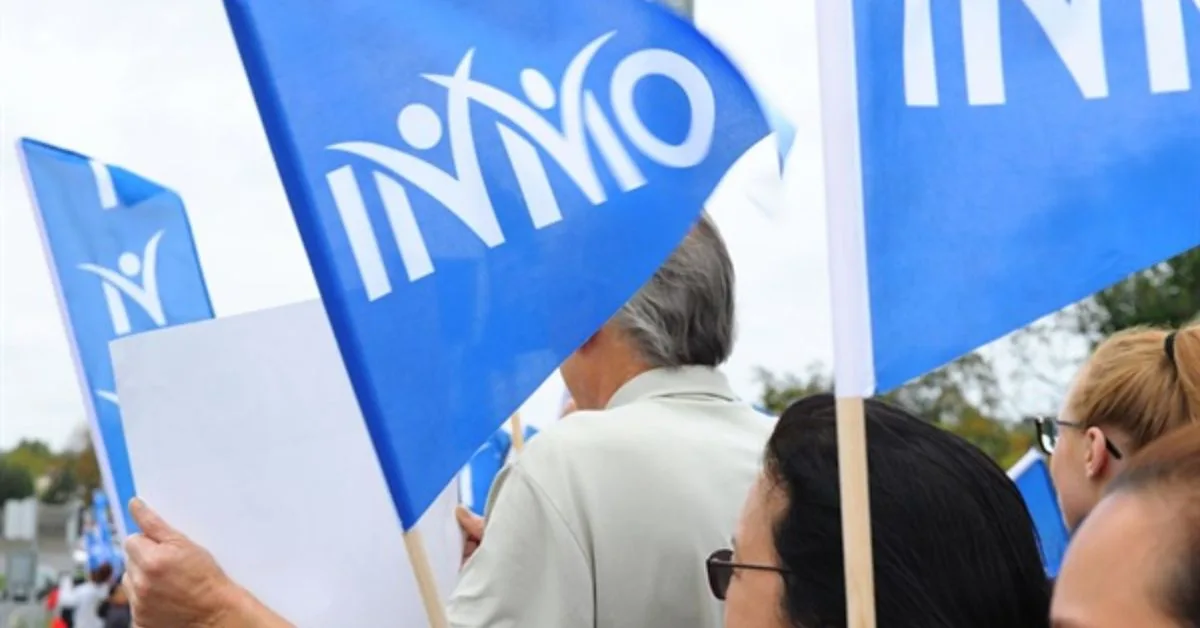
More than 300,000 public sector workers, including nurses, doctors, teachers and civil servants, are on strike today in a 24-hour work stoppage over delays in agreeing a new public sector pay deal. It follows weeks of work-to-rule action and is being described as the largest strike in 15 years.
Unions say pay must be agreed before other issues are discussed, and accuse the Government of failing to make meaningful commitments on pay. A last-minute Government effort to bring unions to talks was dismissed as “too little, too late.” A second one-day strike is planned for October 21.
Schools and colleges. Virtually every school in the country is closed. More than 3,000 primary schools, over 700 post-primary schools and the country’s 150 special schools are shut, meaning almost a million children and teenagers will lose a day’s schooling. About 50,000 primary teachers are on picket lines, the first time in 17 years they have taken such action. Around 40,000 post-primary teachers and 20,000 Special Needs Assistants are also taking part. The main teaching unions, INTO, ASTI, TUI and IFUT, are involved, so colleges and universities are also mostly closed. The INTO said some schools may open to staff, depending on the decision of each board of management. The National College of Ireland has said it will operate as normal.
Hospitals and health services. About 11,000 workers across 30 hospitals are taking part, including consultants and public and community doctors represented by the Irish Medical Organisation, and members of Fórsa. HSE dentists are striking too. The HSE has warned of “significant and widespread disruption” and has planned for the cancellation of all non-urgent services in hospitals and community settings. Thousands of medical appointments have already been cancelled. Emergency departments remain open, as do GPs and pharmacists.
Transport. Public transport on the Transport for Ireland network, including buses, Dart, Luas and rail, is expected to run as normal. However, members of the NBRU on Dublin Bus have been advised that they should not be expected to drive through picket lines at places such as colleges, hospitals or ports, so some routes may be affected.
Other services. Driving tests have been cancelled because Road Safety Authority staff are on strike. Civil servants across Government departments and State bodies are also out. Court services have been curtailed and Leinster House is closed. Many local authority services are disrupted, with libraries, council offices and many parks closed.
Why are they striking? The previous Public Service Agreement expired in June, and no replacement has been agreed. Education unions say salaries have not kept pace with a sustained cost-of-living crisis. Nurses and midwives held a lunchtime strike outside St Vincent’s Hospital in Dublin ahead of the main action. The Government says it has set aside €1.2 billion for public sector pay in the Budget and remains open to talks, but wants to discuss reform and fiscal limits first.
What happens next? Unions have already confirmed the October 21 stoppage, and senior figures have warned that action could escalate in November without progress. Today could prove to be the first day of what some are calling a long winter of discontent.
Parents are advised to check with their children’s schools, and anyone with a hospital appointment should wait for contact from the HSE before travelling.