
A national strike planned for Thursday by more than 300,000 public sector workers has been called off after unions and the Government agreed a draft pay deal following all-night talks.
The negotiations at the Workplace Relations Commission (WRC) in Ballsbridge, Dublin, ran into Wednesday morning. The agreement was announced to reporters shortly after 3.30am, as negotiators worked to settle a number of outstanding issues and pull the whole document together.
The proposed agreement will give pay increases of 10.75% over two years and nine months. It runs from July 2026 to March 2029. The pay measures are weighted towards lower-paid public servants.
The pay schedule.
- September 1, 2026: 2% or a minimum of €1,200, whichever is greater.
- April 1, 2027: 1%.
- August 1, 2027: 1% or a minimum of €600, whichever is greater.
- November 2027: 1.5% or a minimum of €900, whichever is greater.
- March 1, 2028: 1%.
- June 1, 2028: 1% or a minimum of €600, whichever is greater.
- October 1, 2028: 1%.
- March 1, 2029: second phase of “local bargaining,” worth 1%.
- March 2, 2029: 1.25% or a minimum of €750, whichever is greater.
The final phase of local bargaining, worth a further 1%, will be paid during the lifetime of the next agreement.
The income threshold at which the lower-pay provisions apply will rise from €50,000 to €60,000. Some public sector workers are expected to see pay rises of more than 18% over the life of the deal.
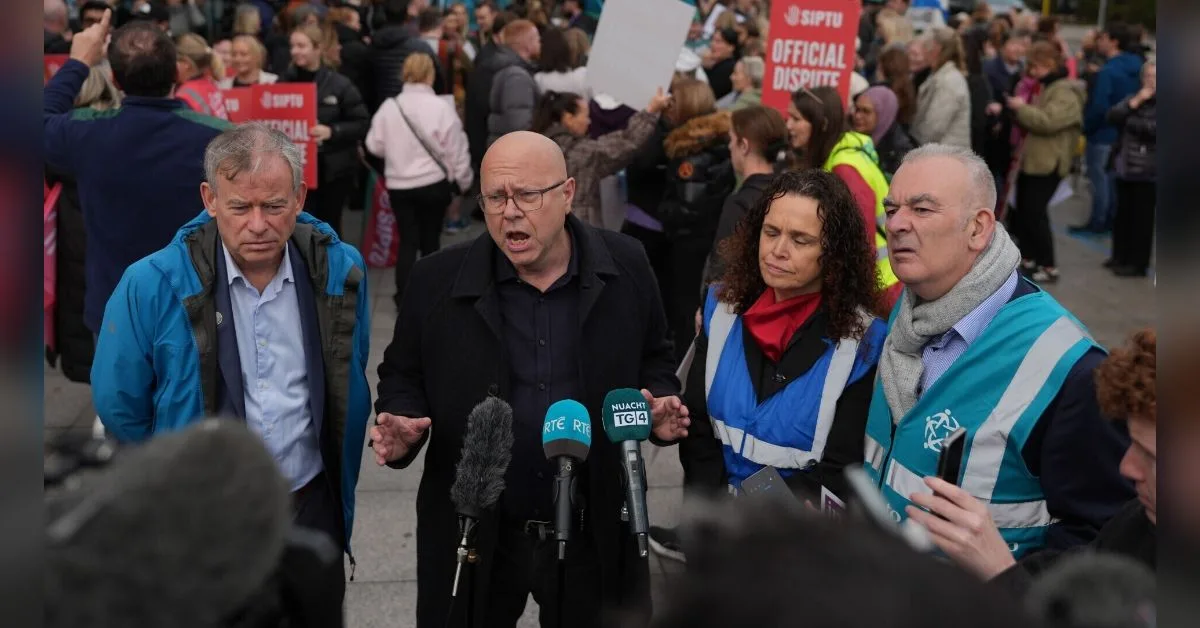
The Public Services Committee of the Irish Congress of Trade Unions (ICTU) has recommended that unions suspend the strike and other industrial action, including the ongoing work-to-rule, so that members can consider the deal. The national executives of the affiliated unions will meet in the coming days to analyse the full terms before making a recommendation. Union negotiators were also due to consult the 15 other affiliates on the committee. Members will then vote in a national ballot, with results due early in the week beginning December 7.
The strike would have shut schools, affected health services and disrupted government offices on Thursday, which was also the day of a major EU Presidency summit in Dublin. Rallies planned to coincide with the strike have been cancelled.
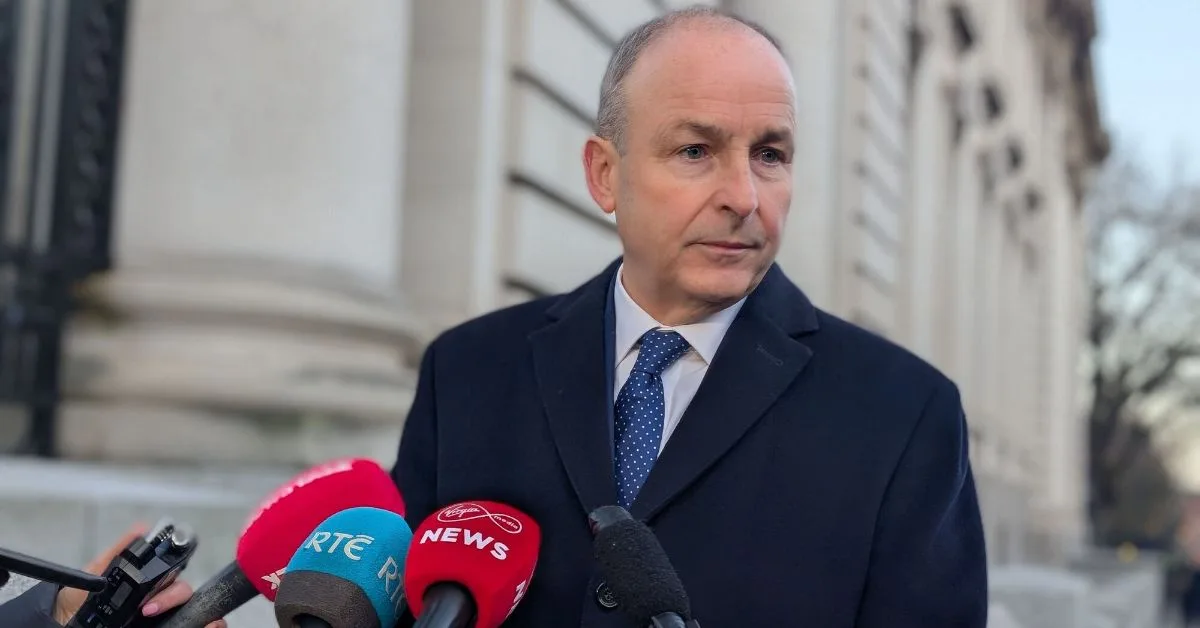
Kevin Callinan, chair of ICTU’s Public Services Committee and general secretary of Fórsa, said the talks had been “difficult.” He said inflation is running ahead of earlier projections “so we’re pleased about that.” He added: “We’ve made some progress but we are in uncertain times and one of the important things in the agreement is that there is a review clause in the event that inflation was to spike again.”
Mr Callinan said the dispute had damaged relations with ministers. “This has been a really difficult process,” he said. “I think it will take more than a pay offer to rebuild the trust of public servants with the government.”
SIPTU deputy general secretary Adrian Kane said it was unfortunate that it took so long to reach a deal.
The previous agreement, worth 10.25% over two and a half years, expired at the end of June. Unions rejected an earlier Government offer of 7.75% as “not credible.” Over the weekend the Government tabled a “substantially improved” offer of 10.5%, which was widely reported as expected to cost close to €5 billion. A breakthrough came late on Monday, and negotiators spent Tuesday finalising the non-pay elements. More than 300,000 workers took part in a national strike on October 14, and work-to-rule action has disrupted services since the end of September.
Unions will now ask members to accept or reject the deal.