There are cautious hopes that Ireland’s public sector pay dispute can be settled, after the Government said pay could be the first item in talks with unions, one day after more than 300,000 workers went on strike.
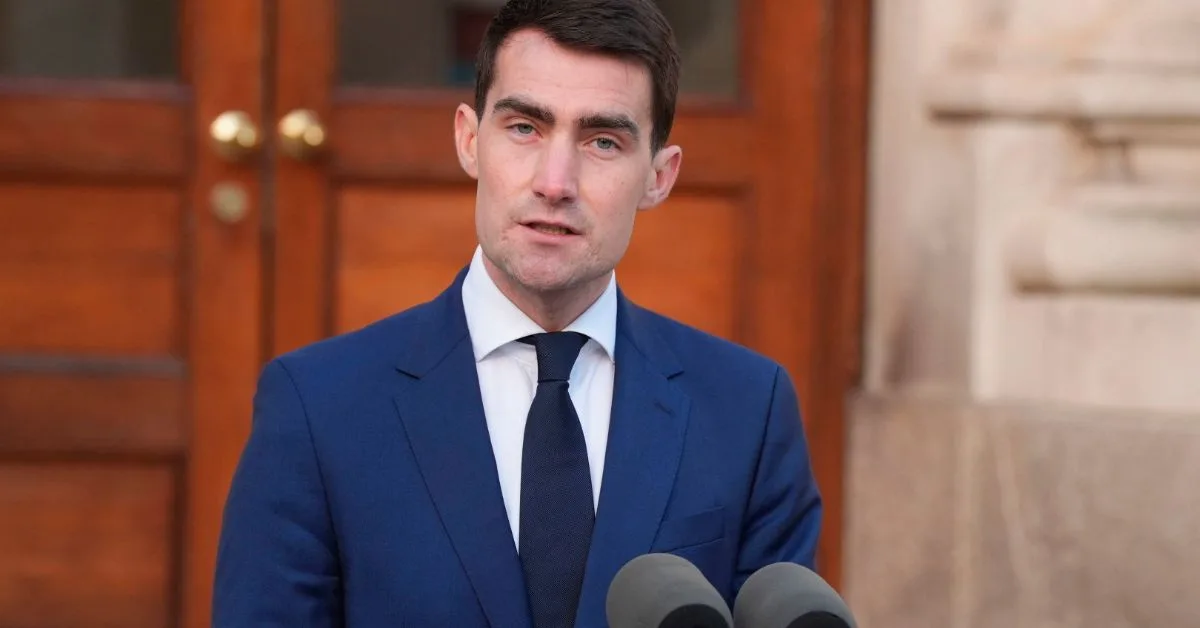
Public Expenditure Minister Jack Chambers told RTÉ’s Prime Time on Tuesday night that pay could “absolutely” be the starting point for negotiations. When asked to confirm, he repeated it. He said again on Wednesday that the Government is “absolutely” happy for pay to be dealt with first. Mr Chambers also described the €1.2 billion set aside in the Budget as the “starting point” for talks, saying the only way to develop it is to agree to have them.
This is a significant softening. Only a day earlier, Mr Chambers had written to unions saying pay “can and should be discussed as a priority alongside other matters,” a position the unions rejected. For months, unions have said talks must begin with a credible approach to pay. Some Government sources have disputed that there is any change, arguing that saying pay will come first is “the same as saying it’s a priority.”
Unions responded carefully. Kevin Callinan, general secretary of Fórsa and chair of the Public Services Committee of the Irish Congress of Trade Unions, said there may be a “pathway to talks” if the minister is sincere. He suggested talks could involve representatives who are “removed from the immediacy” of the strike. “If that’s possible, we’ll work with it. If it doesn’t happen, we’re going to have another strike next week and beyond,” he said. He added that he had “no idea” when talks would begin, and that “the ball is firmly in the Government’s court now.”
Mr Callinan also asked Taoiseach Micheál Martin to appoint an “honest broker” to help resolve the dispute. Mr Martin said he was open to the idea and welcomed “the tone and disposition” of the union leaders. He said he would “like to think” relations were in “a better space” than a day earlier, and that “the foundations are there” for an agreement. Asked whether the second strike on Wednesday, October 21 could be called off, he said: “I would hope so, yes.” Minister of State John Cummins said there is a “window” for talks before that date.
Adrian Kane, deputy general secretary of SIPTU, called Mr Chambers’ comments “helpful,” but said that if the same offer had been made in June, workers “may not be here today.” Phil Ní Sheaghdha of the INMO and John Boyle of the INTO have also pressed for a credible basis for negotiation.
The strike itself closed virtually every school, cancelled thousands of hospital appointments, shut Leinster House and curtailed court services. It was the largest strike in Ireland in almost 20 years. Unions say the key issues are the breach of trust over unimplemented agreements and the gap between pay and the cost of living. Mr Callinan said the average public service pay increase this year is expected to be 1.5%, while inflation is running at 4.1%. The previous agreement expired on June 30.
Political pressure is growing. Sinn Féin leader Mary Lou McDonald accused the Government of playing a “game of chicken” with workers, while Labour leader Ivana Bacik said the minister’s comments offered a “glimmer of hope.” Labour has tabled a Dáil motion for Thursday calling on the Government to engage meaningfully and put pay first.
No date for talks has been announced. Unions say work-to-rule action continues, and Fórsa has warned of further strikes over the winter if no deal is reached.